Landscape photography with the Canon R8 and RF 24–50mm
Landscape photography does not require complicated equipment – only time spent in the landscape.
Landscape photography is often discussed in terms of equipment. New cameras promise more resolution, larger sensors and increasingly advanced technology.
But the reality today is that modern cameras have reached a level where even modest equipment can produce remarkable images. For many photographers the real challenge is no longer technical limitations – it is simply getting outside often enough.
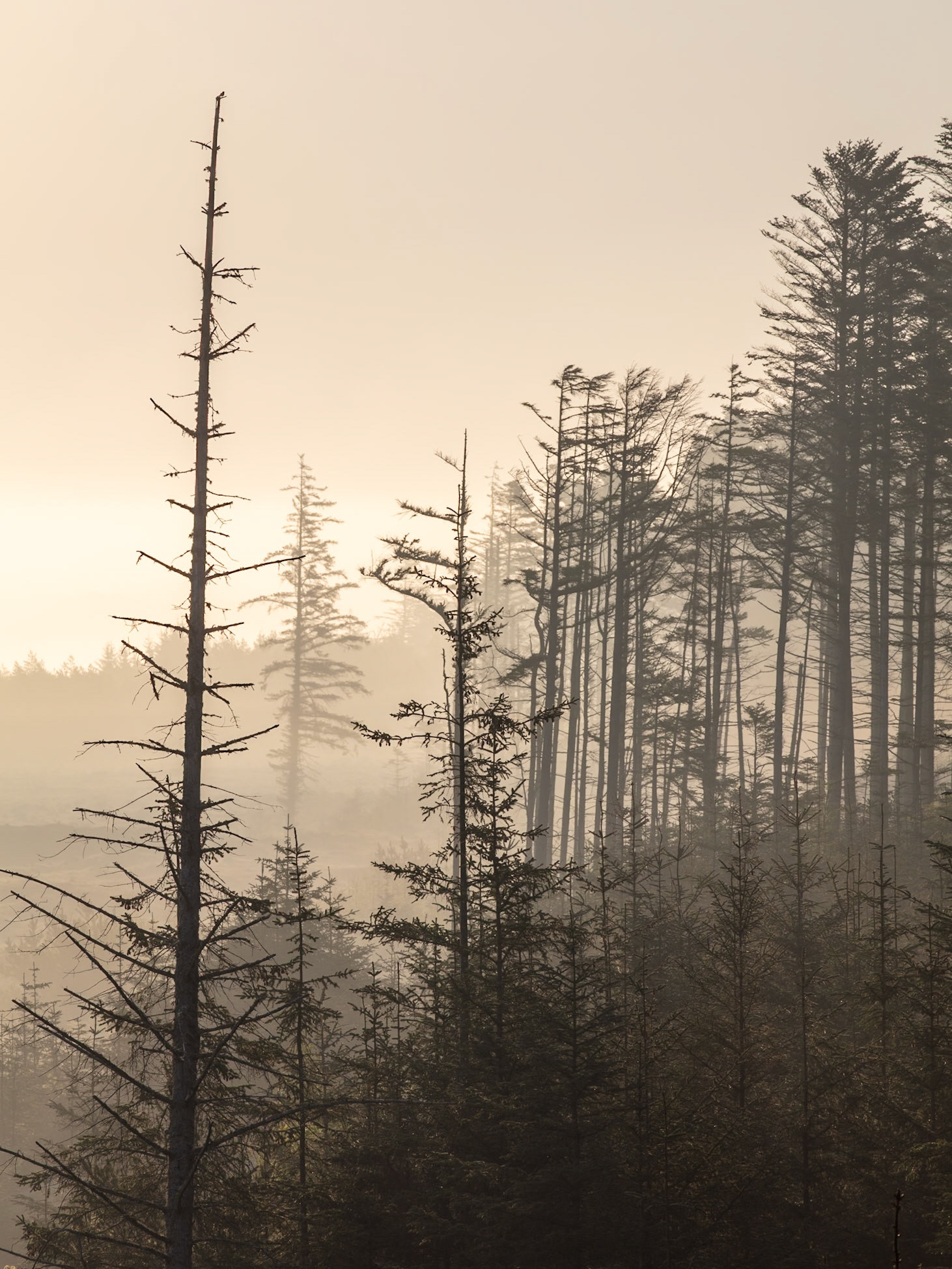
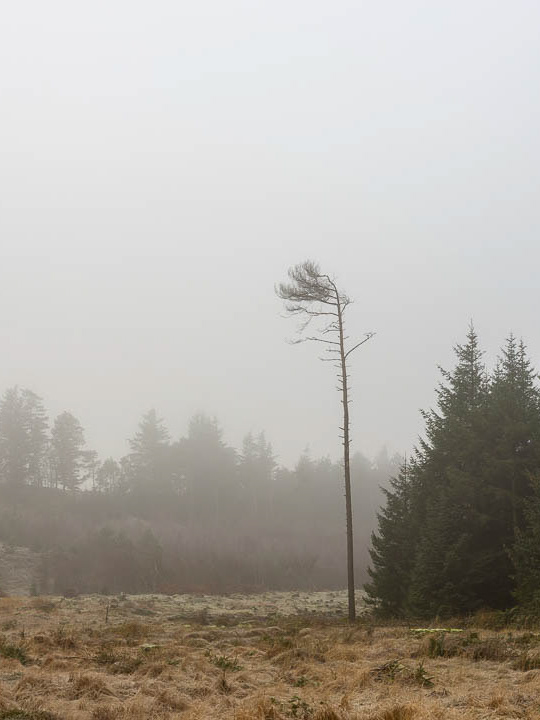
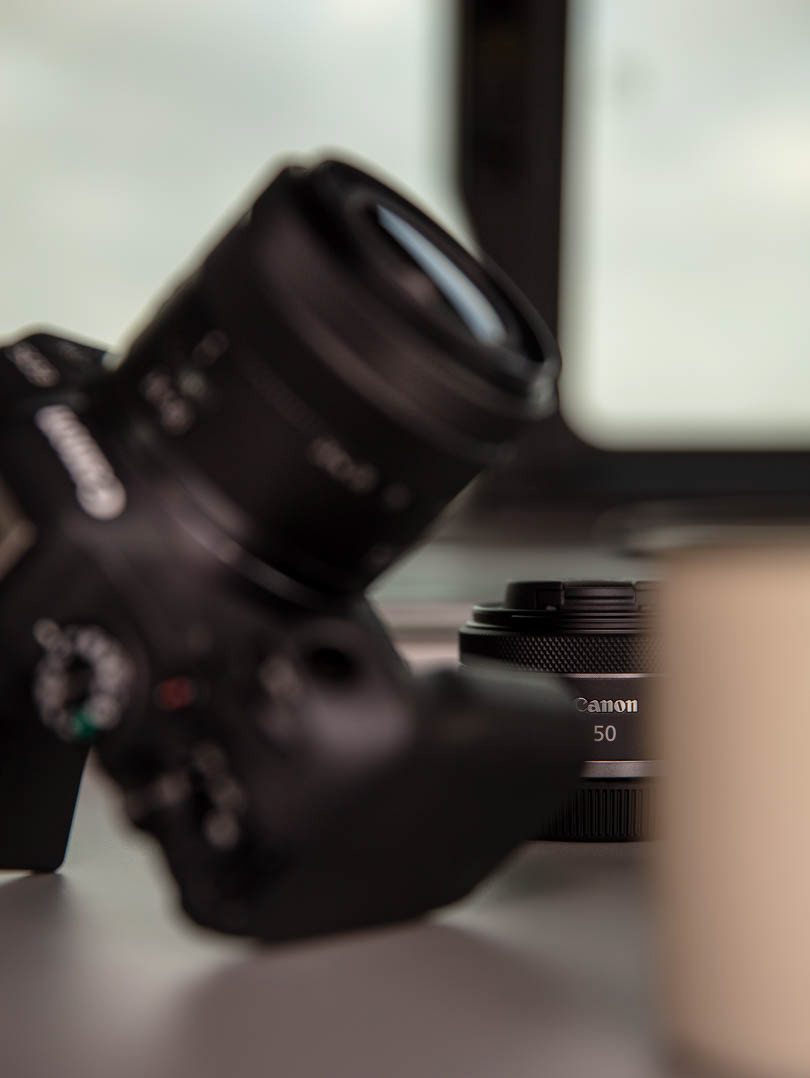
Most of the photographs in this article were made during quiet walks around Klitmøller in Nationalpark Thy, using a very simple setup: a Canon R8 paired with the compact RF 24–50mm zoom lens.
Not expensive gear.
Not a large backpack of lenses.
Just a small camera and time spent in the landscape.
Not a large backpack of lenses.
Just a small camera and time spent in the landscape.
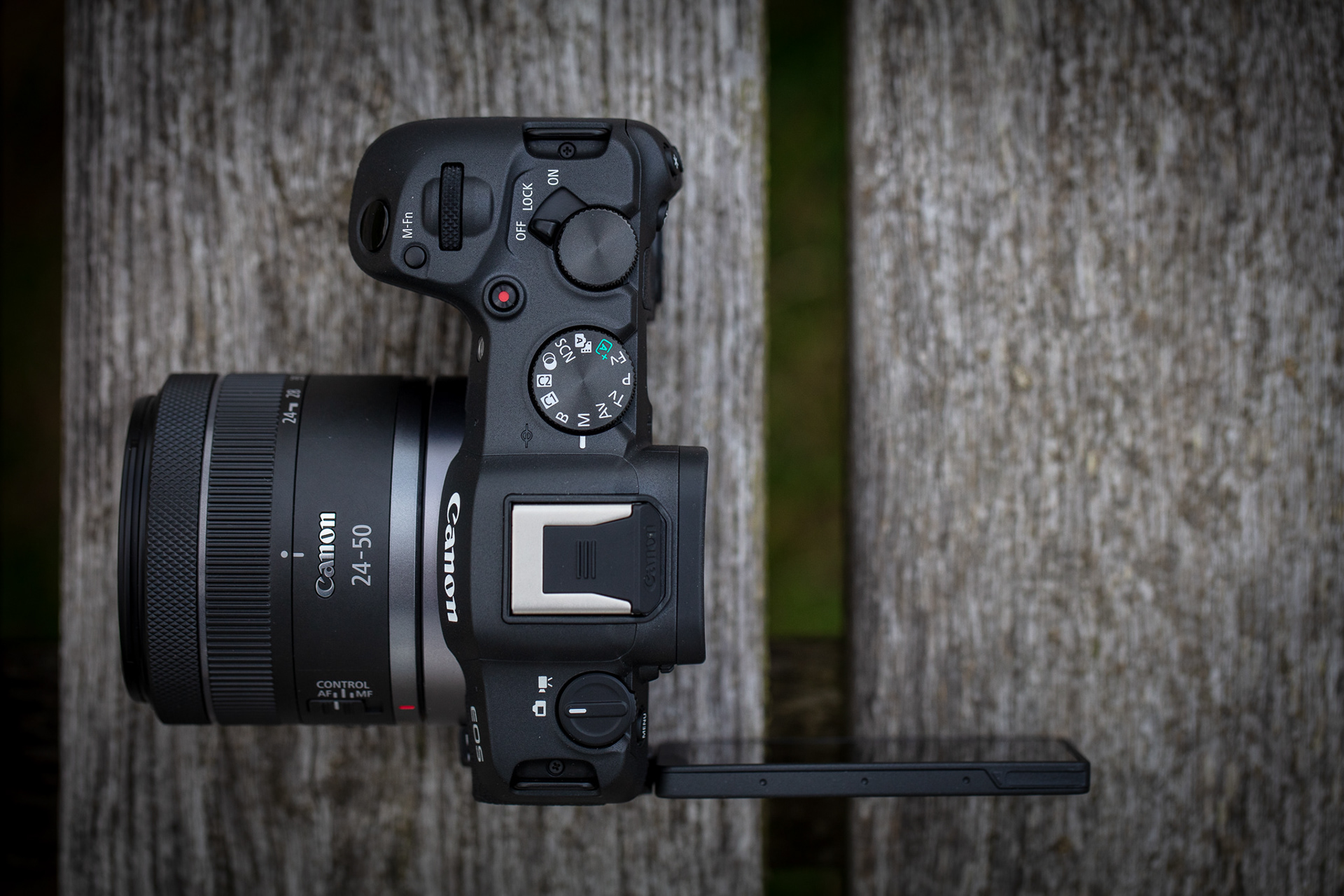
Canon R8 with RF 24–50mm
A small full-frame camera for everyday photography
The Canon R8 is one of the smallest full-frame cameras available today. For landscape photography, that matters more than many people expect.
A lightweight camera makes it easier to bring the camera along on everyday walks. Instead of planning dedicated photo trips, the camera simply becomes part of being outside.
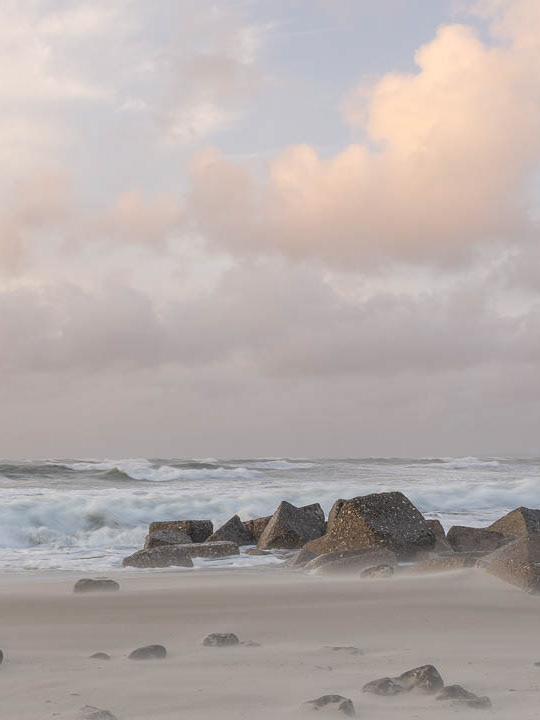
Much of my work is created this way – walking through the dunes, along the coast or through the small streets of Klitmøller, observing how the light moves across the landscape.
Modern full-frame sensors already deliver more dynamic range and image quality than most landscape photographers ever needed only a decade ago. In practice, this means that technical limitations rarely stand in the way of making meaningful photographs.
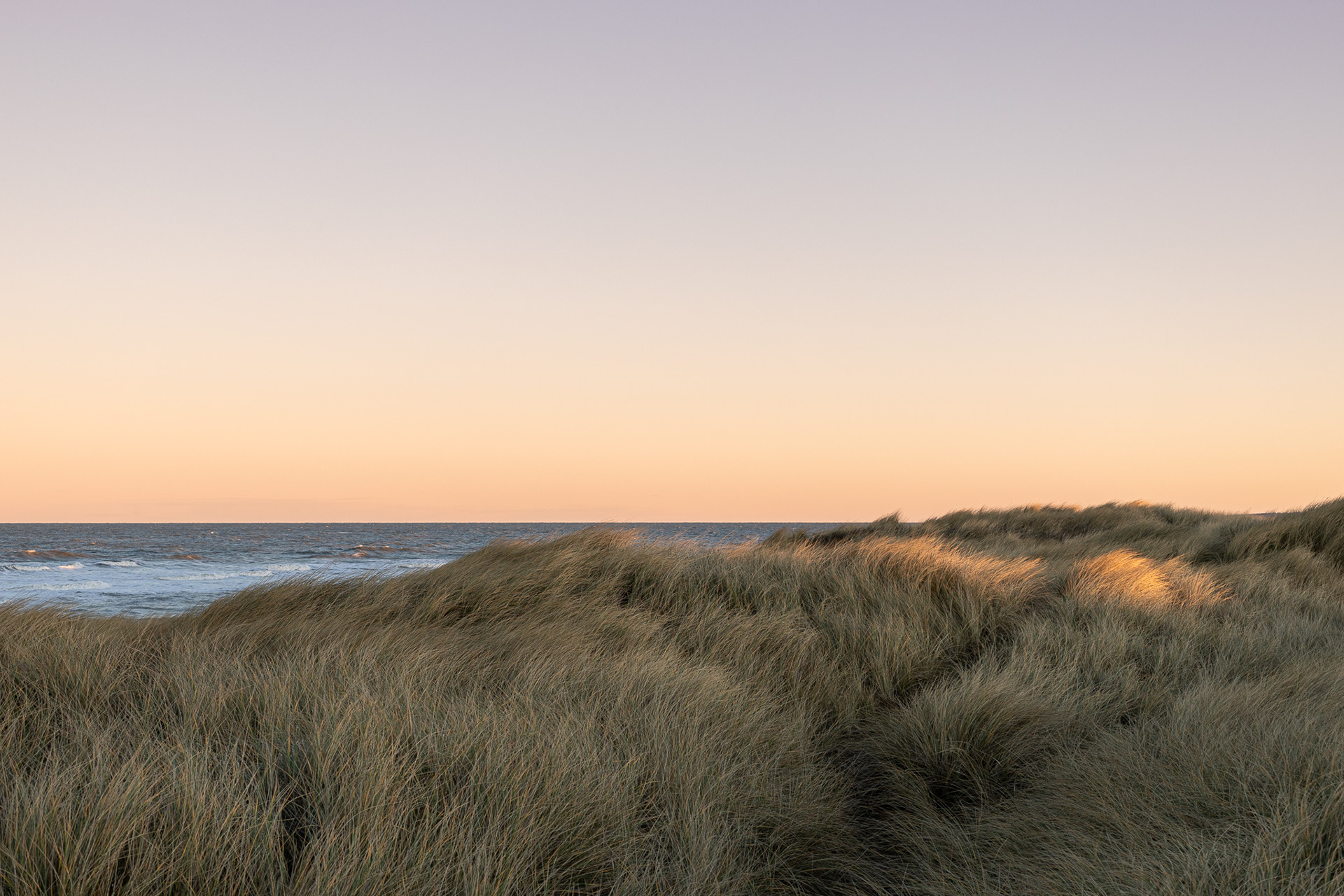
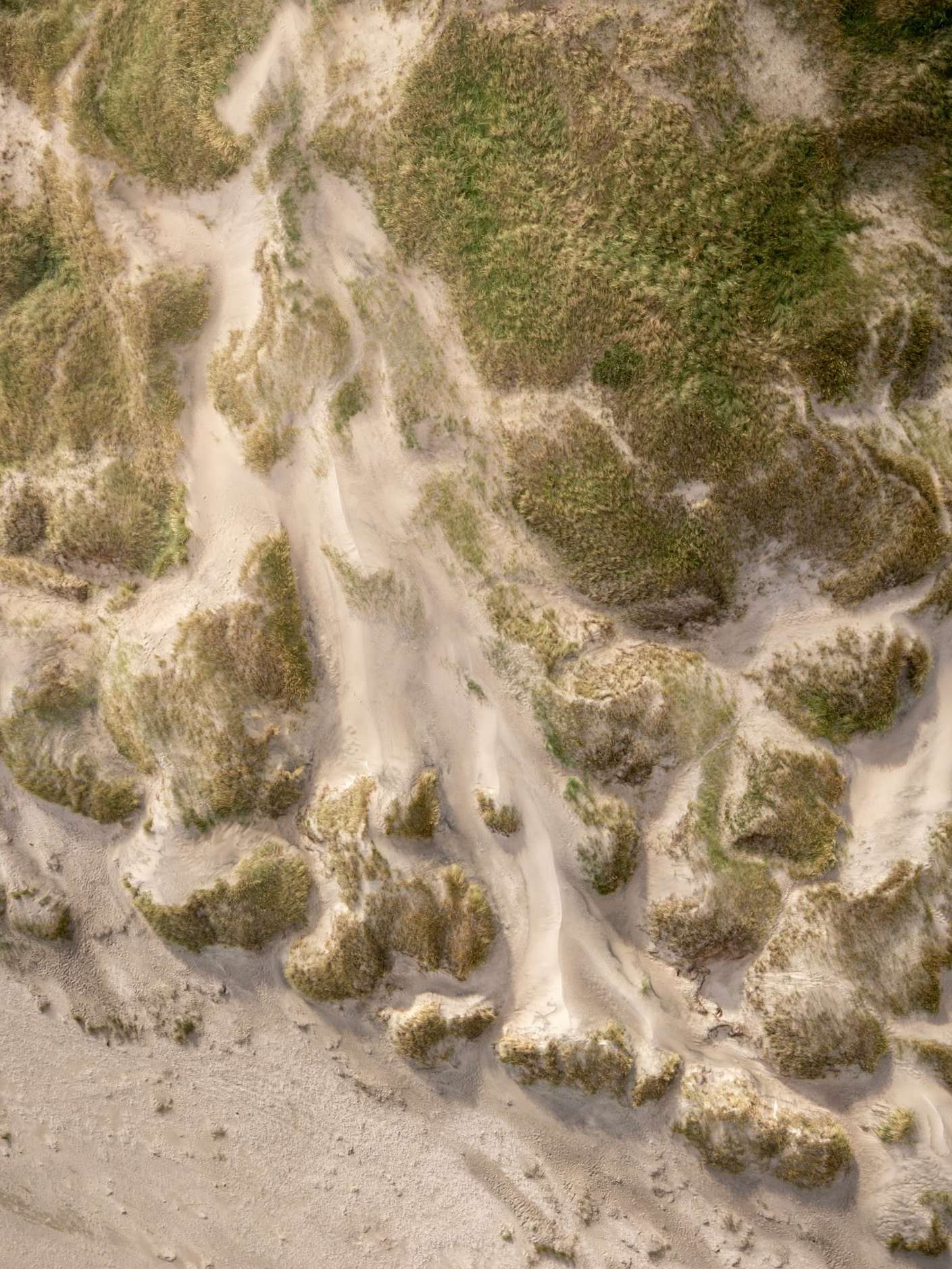
Dunes and sea in Klitmøller
The overlooked potential of a kit lens
The RF 24–50mm f/4.5–6.3 is Canon’s most compact full-frame zoom lens. It is often described simply as a “kit lens”.
But that label can be misleading.
Today even entry-level lenses benefit from decades of optical development. The RF 24–50mm is sharp, lightweight and stabilized, and it covers focal lengths that many landscape photographers use most often.
More importantly, the lens is small.
A camera setup that weighs very little is more likely to come along on a morning walk, a bike ride to the coast or a quick visit to the harbour before sunset.
And a camera that is with you is far more valuable than a perfect lens left at home.
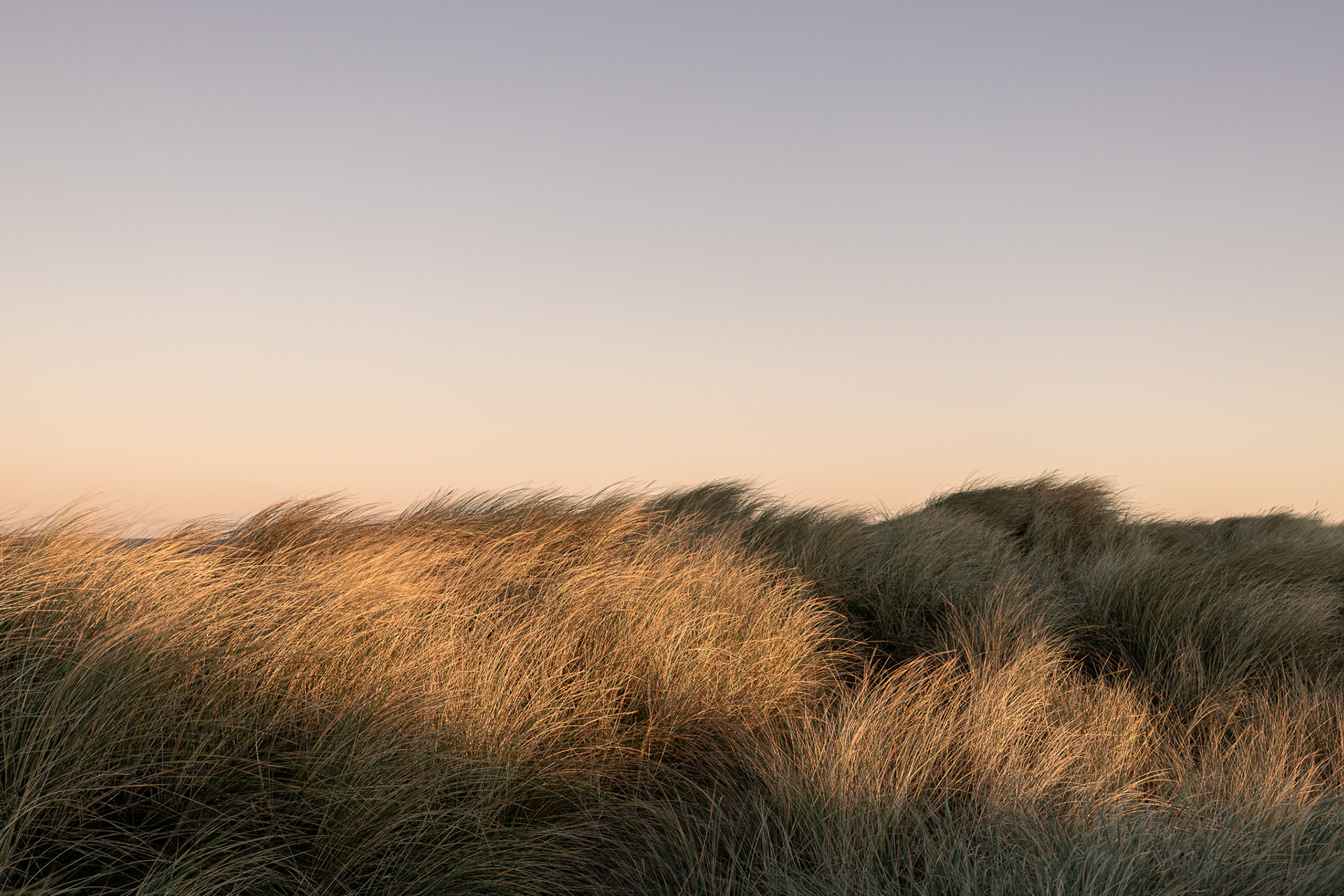
Dune grass in warm light
Working locally in Klitmøller
Most of the photographs here were taken within a few kilometres of my home in Klitmøller.
The Danish west coast is often associated with dramatic weather and wide open landscapes, but much of its character lies in quieter moments.
The small zoom range of 24–50mm turns out to be surprisingly versatile. At the wider end it captures the openness of the coast and the shape of the dunes. At slightly longer focal lengths it allows attention to shift toward textures and details.
Landscape photography is not only about wide views. Often it is about small relationships within the landscape – the way light touches grass, sand or weathered surfaces.
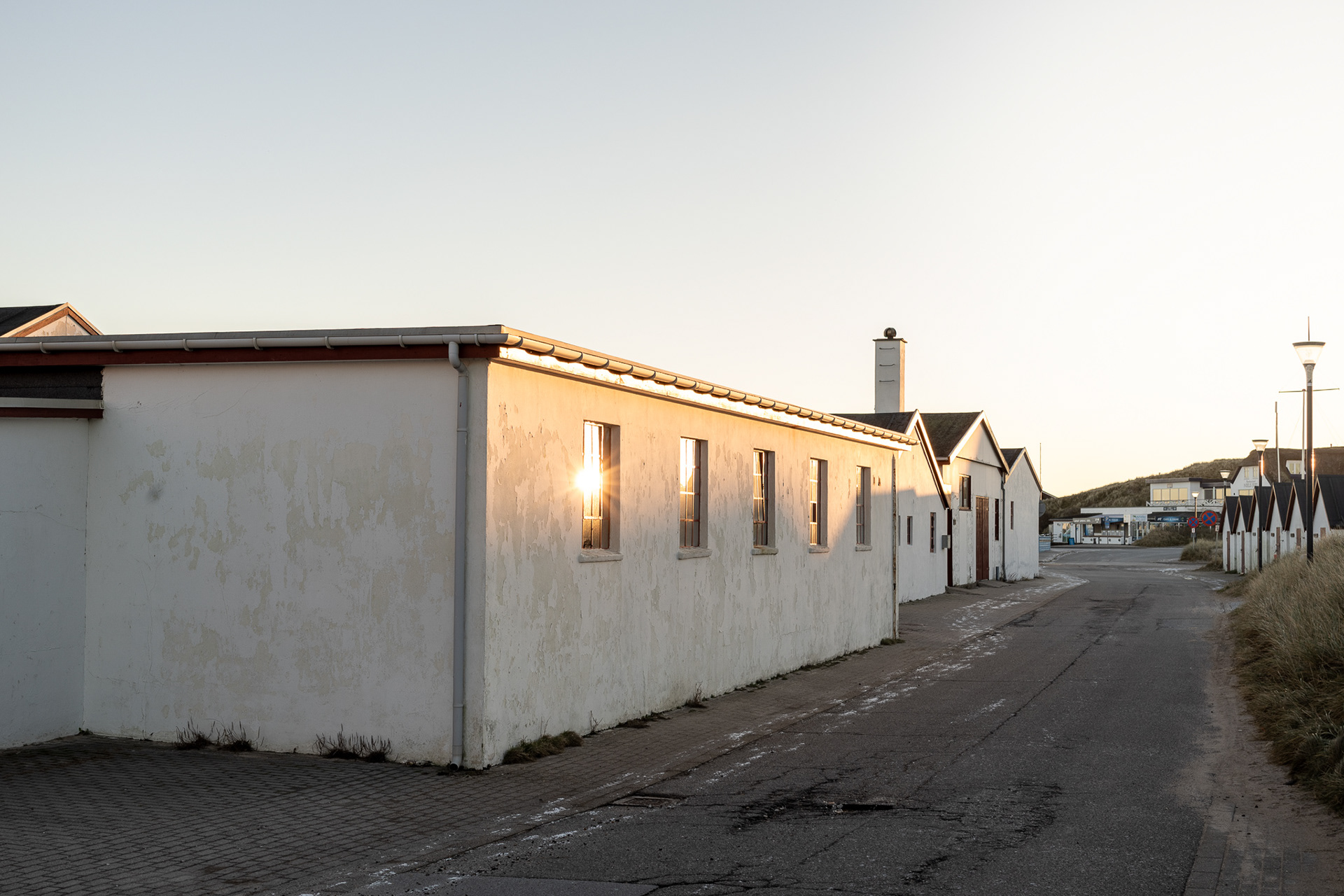
Klitmøller building
Details that tell the story of a place
A small camera and lens make it easy to move slowly through these spaces and photograph details that might otherwise go unnoticed.
Objects, textures and colours often reveal as much about a place as the larger scenery.
Over time these quieter images become part of a visual archive of the landscapes where we live and work.
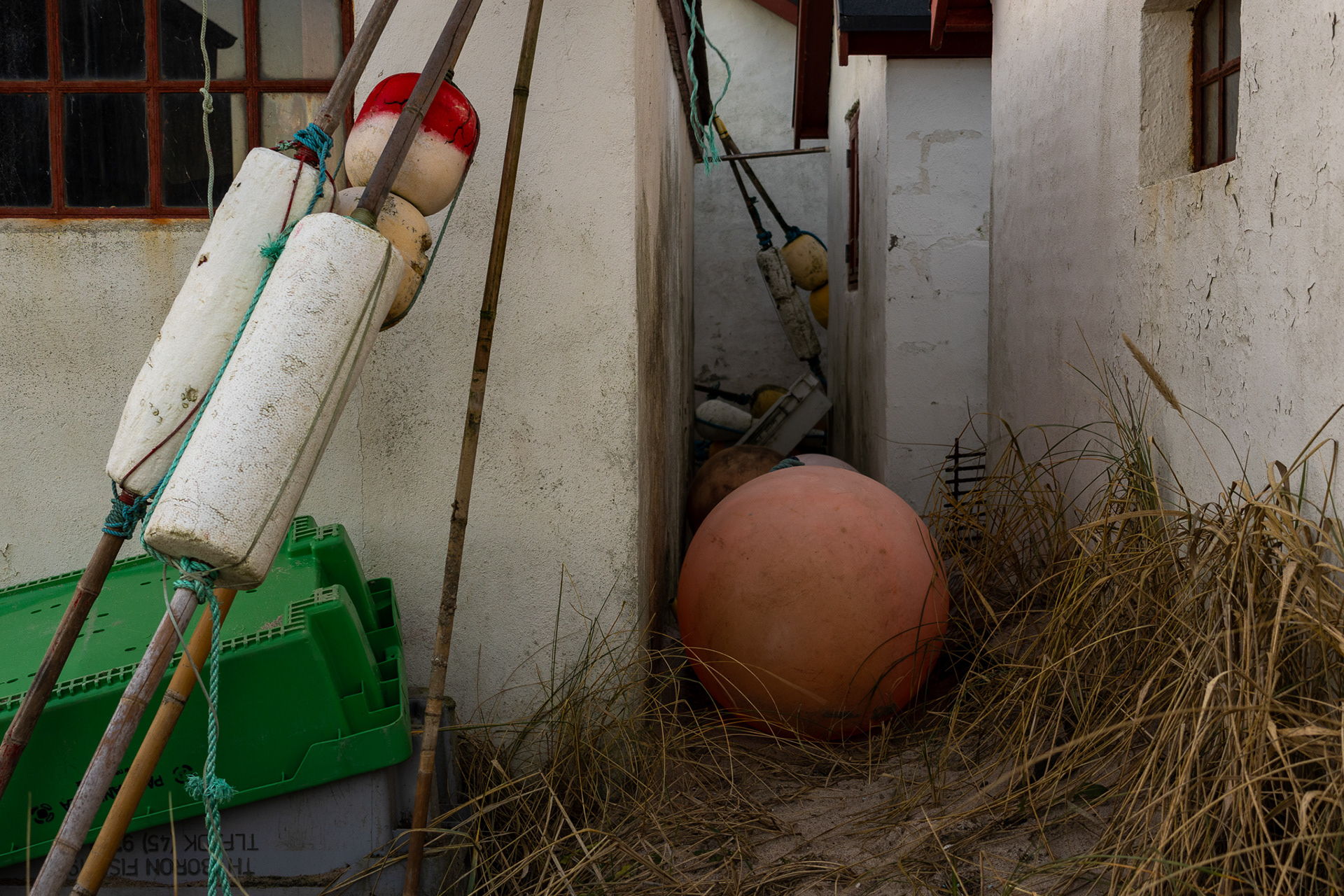
Harbour details in Klitmøller
Minimal equipment, deeper observation
There is also something valuable about working with limited equipment.
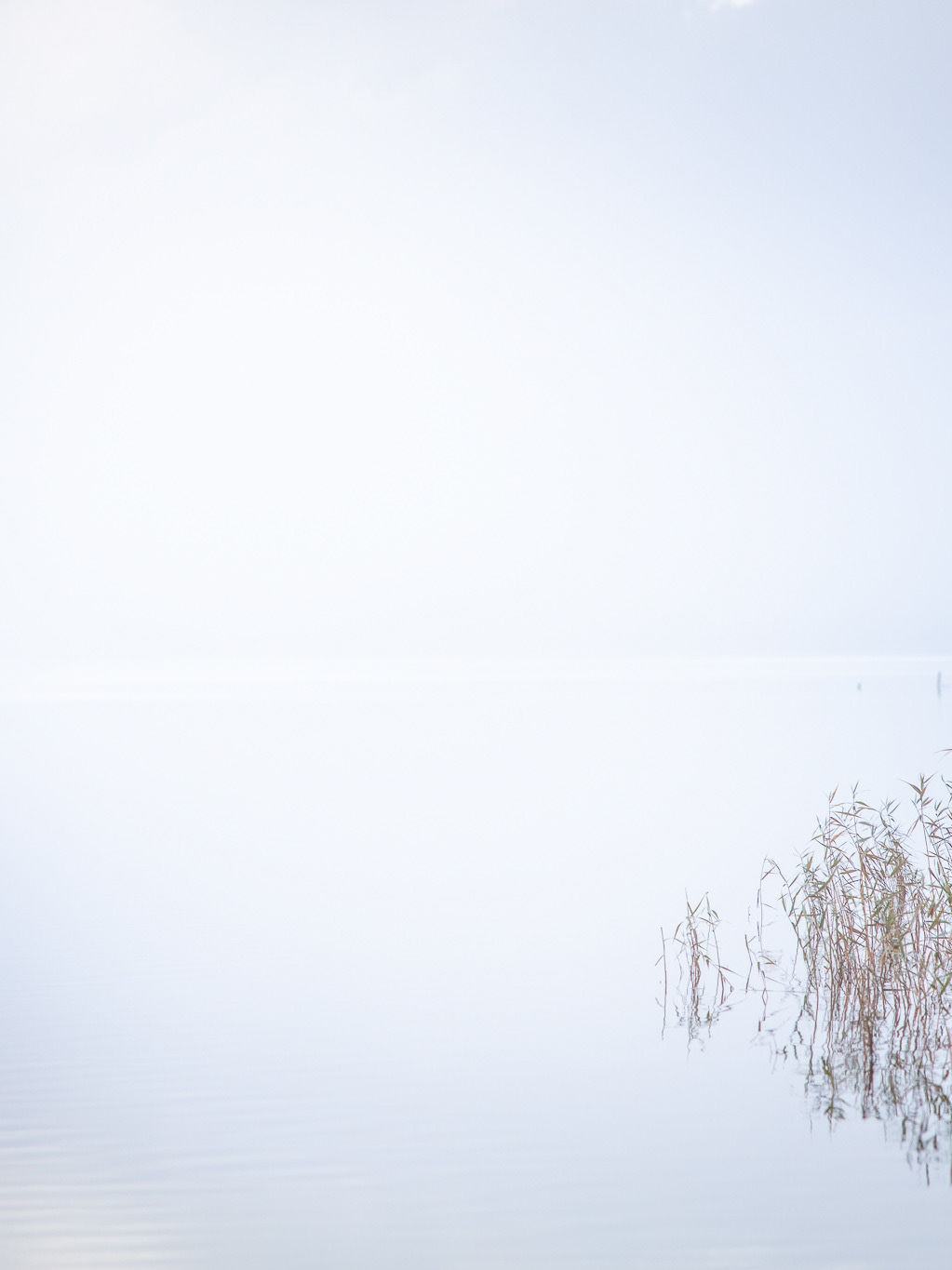
A simple camera and a single lens remove many decisions. Instead of thinking about gear, attention shifts toward the landscape itself – the wind, the light and the subtle patterns that appear when you slow down.
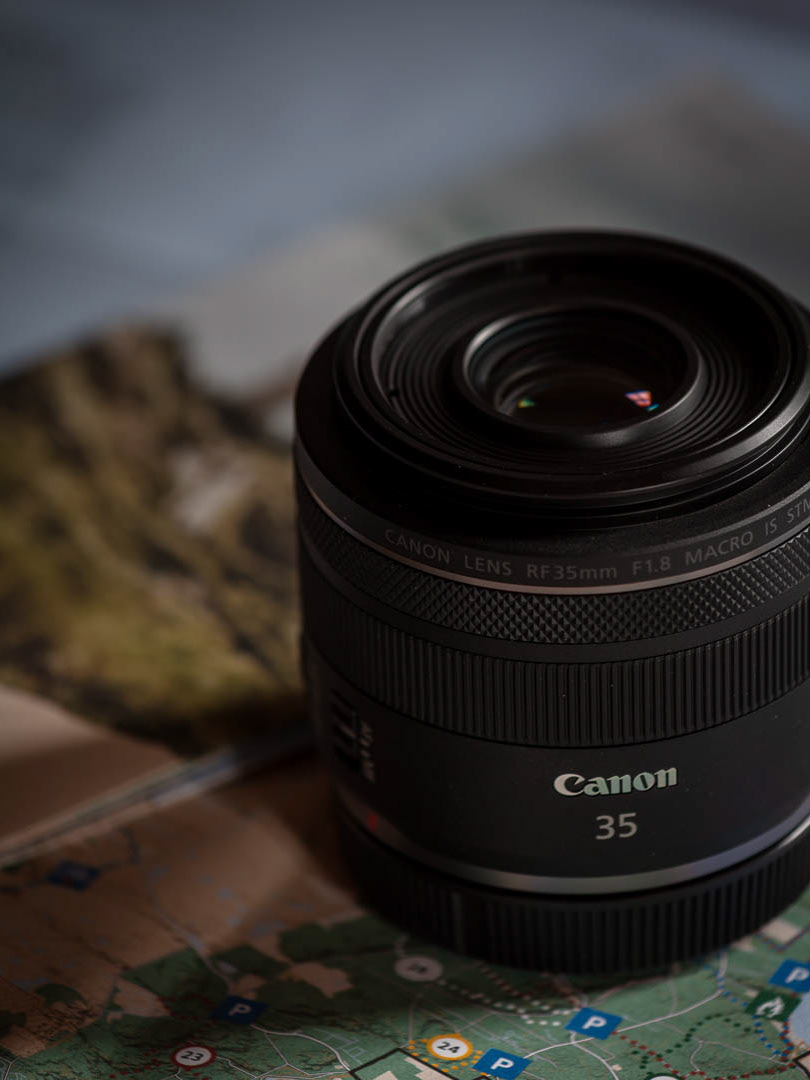
I explored this idea earlier while working with the small RF 35mm lens, another example of how simple equipment can be more than capable for landscape photography.
Over time this kind of practice builds familiarity with a place. You begin to recognise seasonal changes, subtle shifts in colour and the rhythms of weather and light.
The camera becomes less of a tool for capturing spectacular moments and more a companion for observing the landscape.
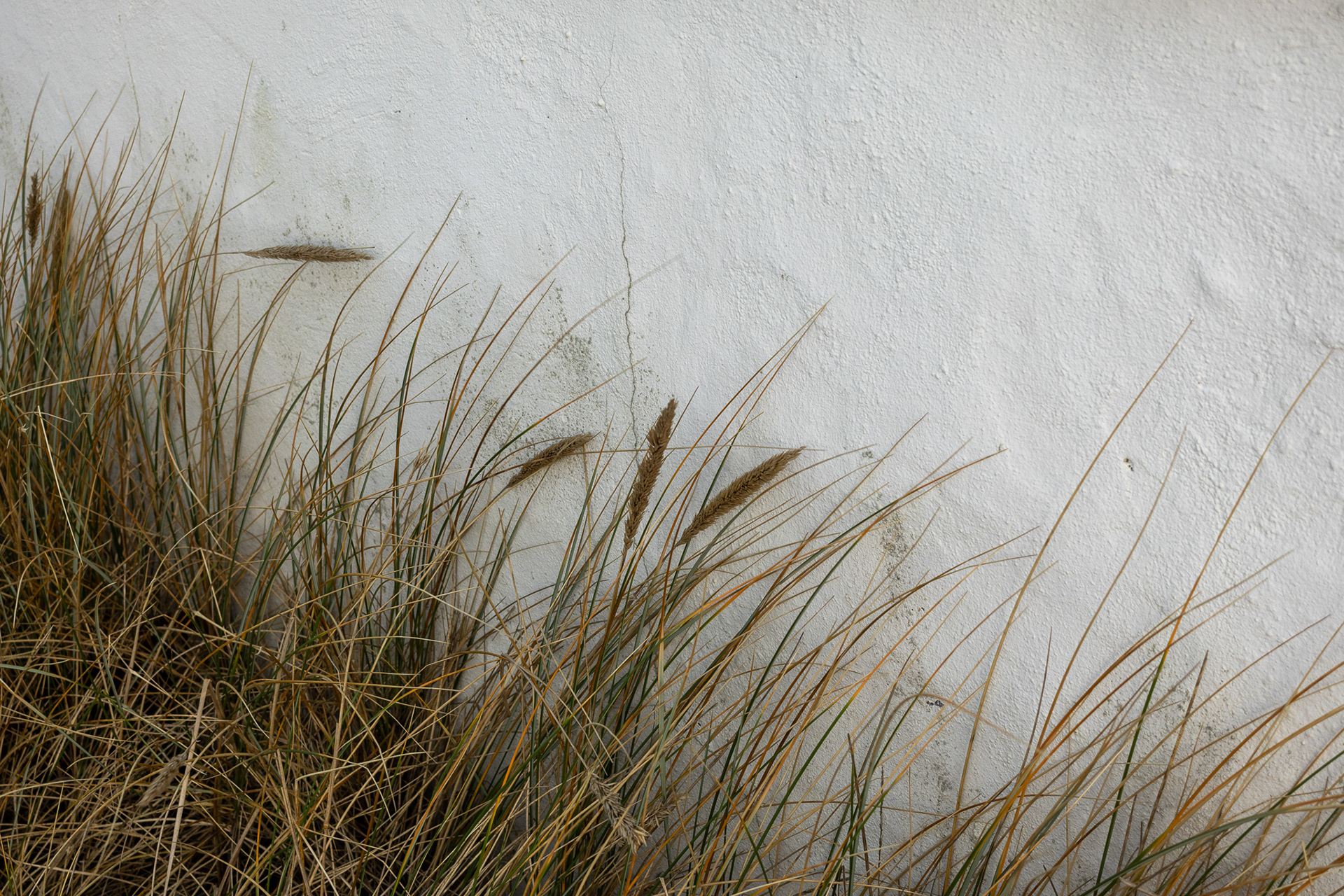
Why simple gear is often enough
The idea that landscape photography requires large cameras and expensive lenses is increasingly outdated.
Modern cameras – even compact and relatively affordable ones – are already capable of producing images suitable for professional work and fine art printing.
What matters more is returning to the same landscapes, understanding light and weather, and spending time outside.
In the end, landscape photography is less about equipment and more about building a relationship with the places we photograph.
For me, many of those places are here along the coast near Klitmøller in Nationalpark Thy.
Martin Bay is a Danish landscape photographer based in Nationalpark Thy on the west coast of Denmark. His work focuses on quiet, atmospheric landscapes shaped by repetition and familiarity with place. He works primarily with print-based photography and explores the relationship between mobility, simplicity and long-term field practice.
Author note:
This article reflects my personal working experience. No paid partnership or sponsorship is involved.
This article reflects my personal working experience. No paid partnership or sponsorship is involved.