Canon RF 35mm f/1.8 for Landscape Photography
A Professional Approach to Landscape Photography
Landscape photography has long been associated with technical escalation. Higher megapixels. Larger bodies. More complex setups.
Today, modern full-frame systems have matured to a point where simplicity is no longer a compromise.
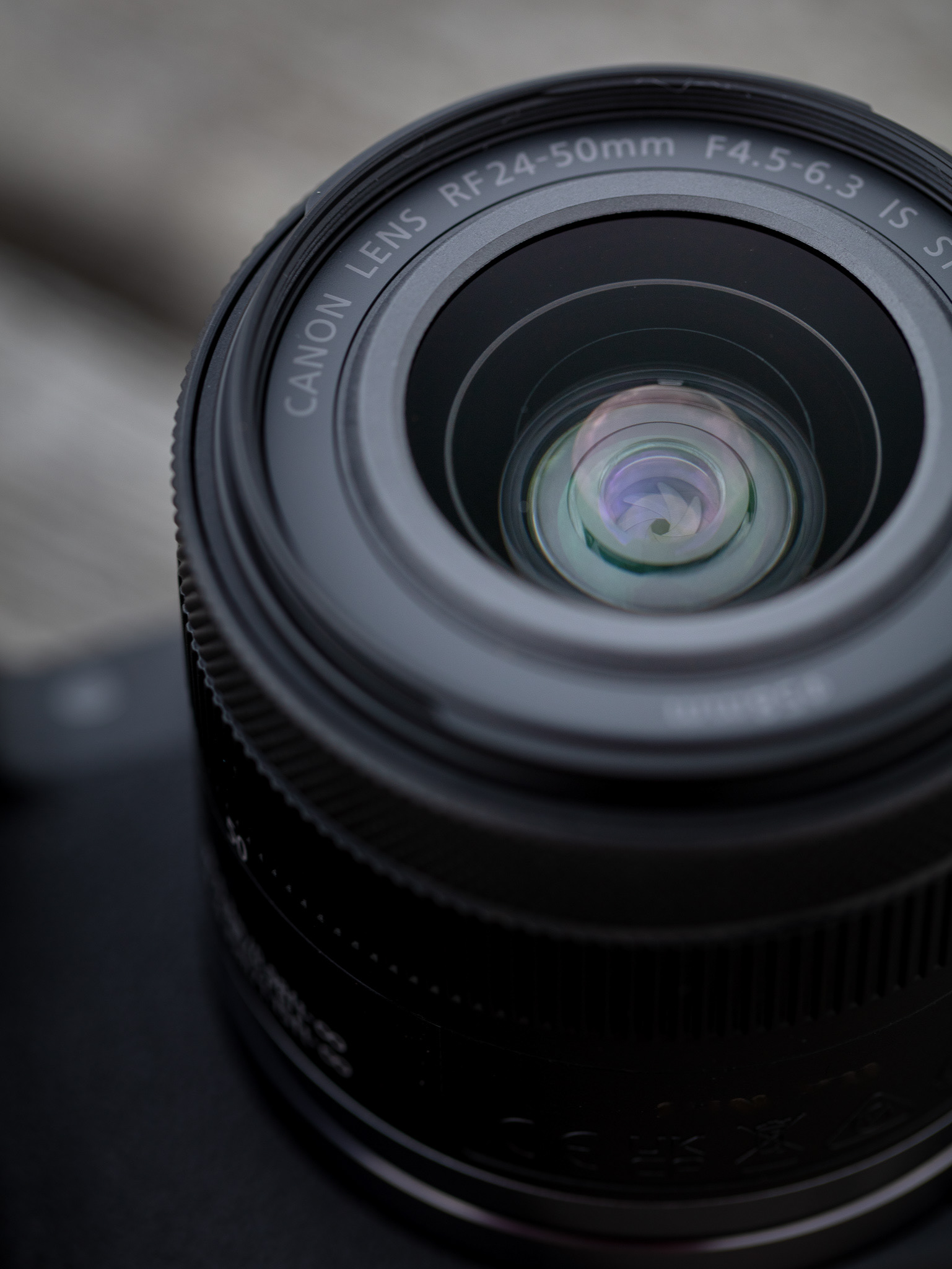
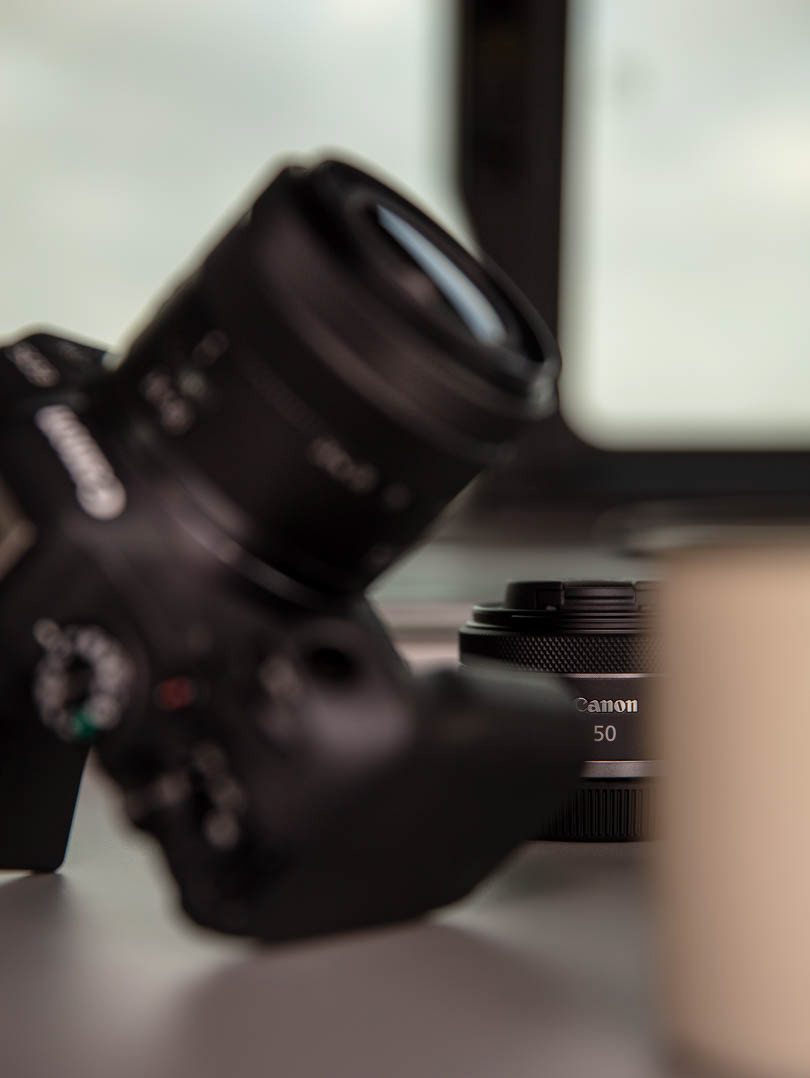
This article reflects my practical experience working with a lightweight Canon setup — the Canon R8 paired with the Canon RF 35mm f/1.8 IS Macro STM — and why this combination is fully capable for serious landscape photography.
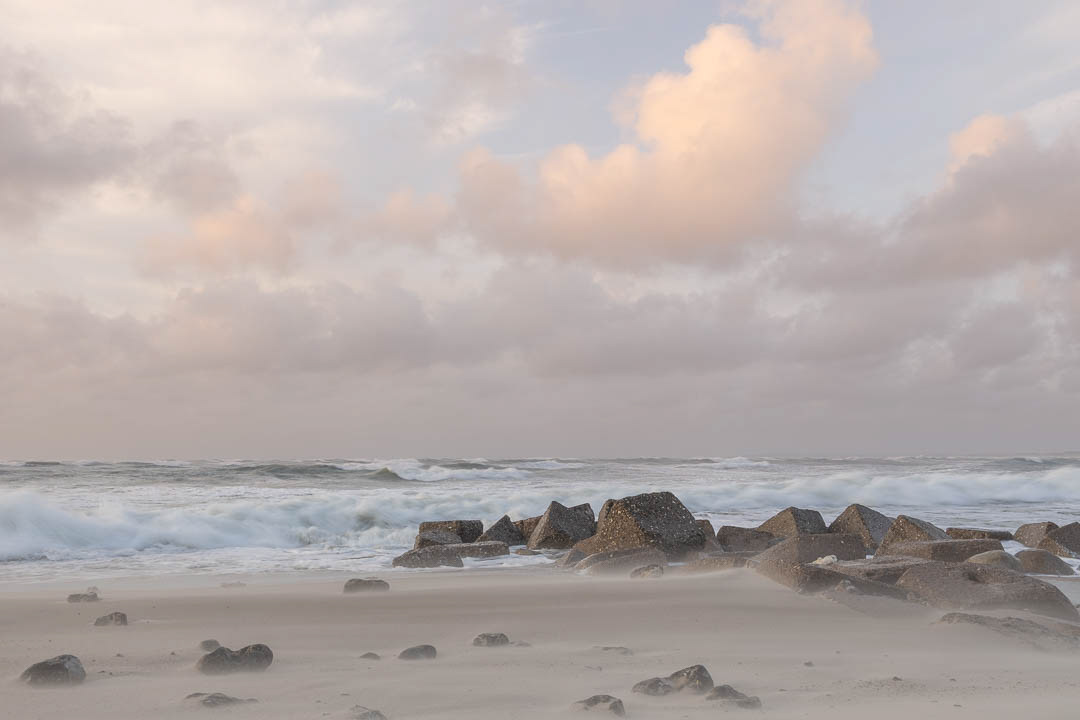
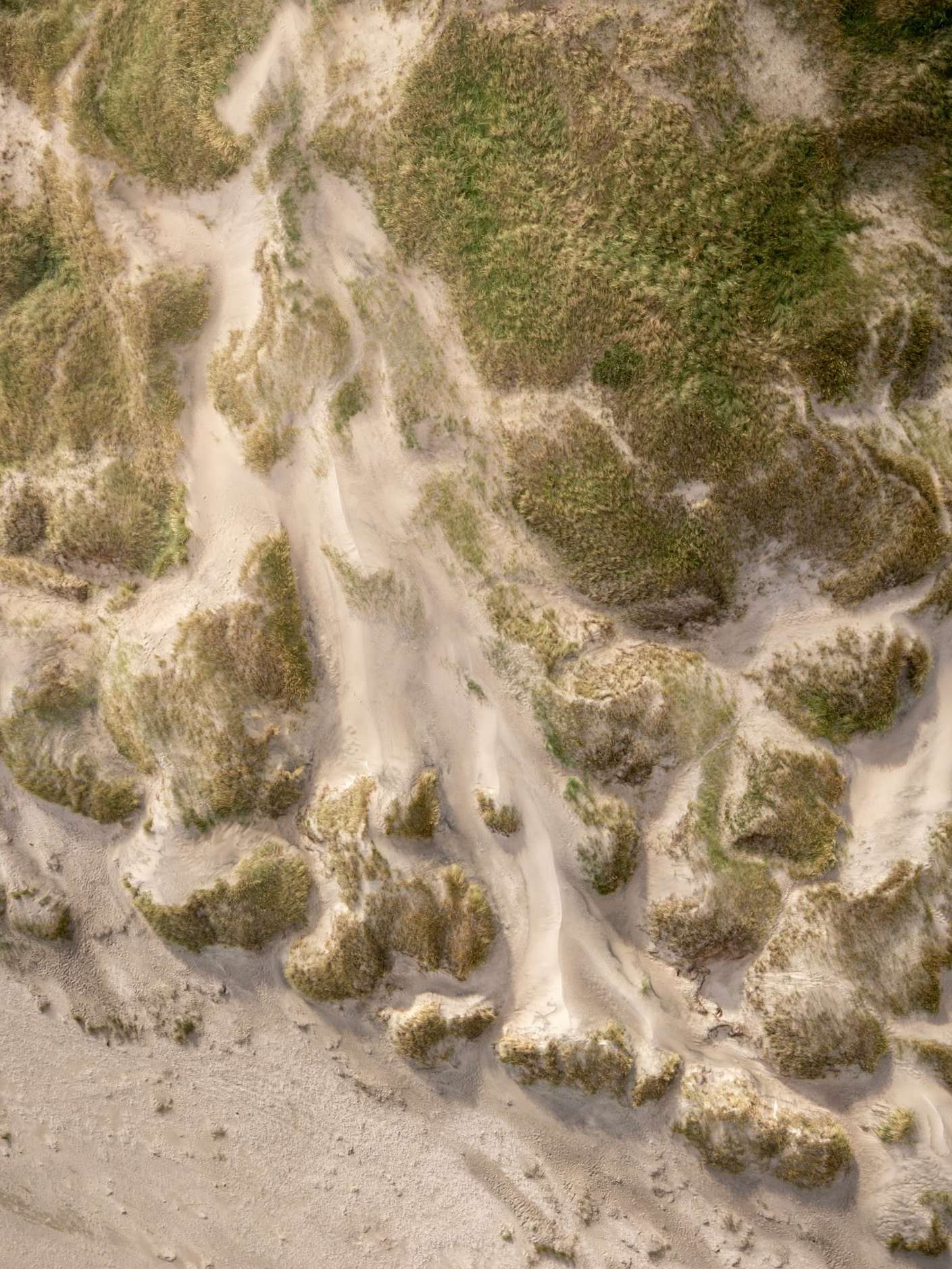
West Coast - Canon R8 | RF 35mm f/1.8 IS Macro STM
1/18s | f/16 | ISO 100
Working Close to the Landscape
I live and work in Klitmøller, in Nationalpark Thy on the Danish west coast. Most of my photography happens close to home — often on foot, often without a fixed plan.
I return to the same dunes, forests and coastal stretches repeatedly. I observe how light shifts, how weather moves across the land, how atmosphere builds slowly.
This way of working does not reward complexity. It rewards familiarity and presence.
The camera must support that rhythm — not interrupt it.
The Canon R8 integrates naturally into this approach. It is light enough to carry daily, responsive enough to react when light changes, and capable enough that I never feel limited by the files it produces.
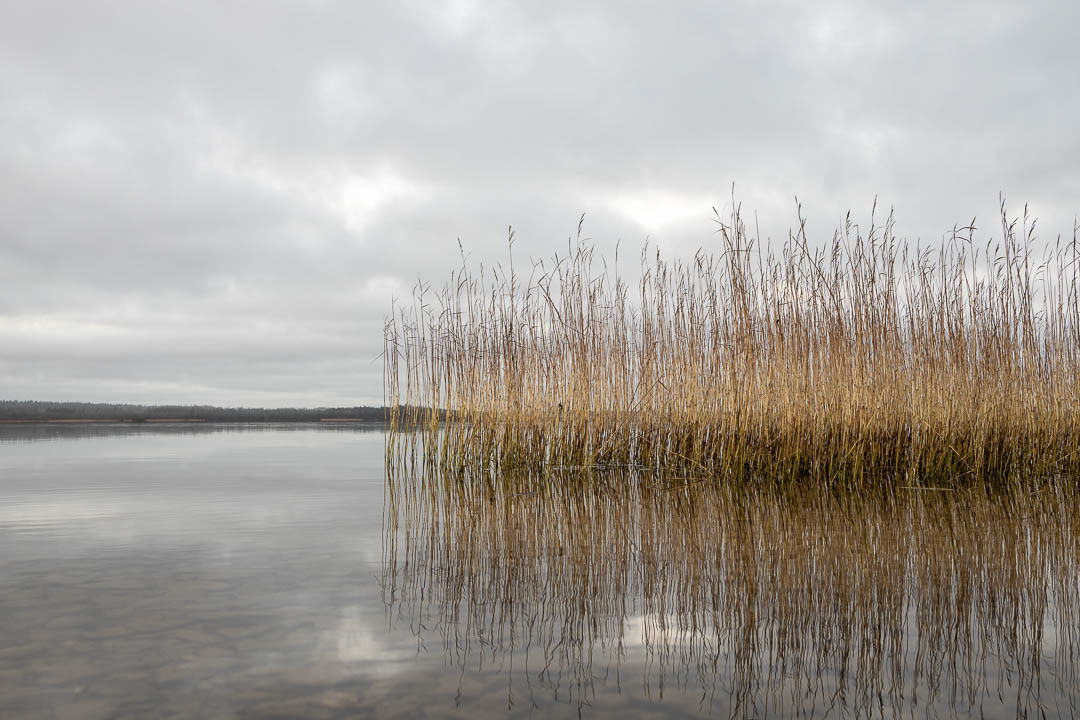
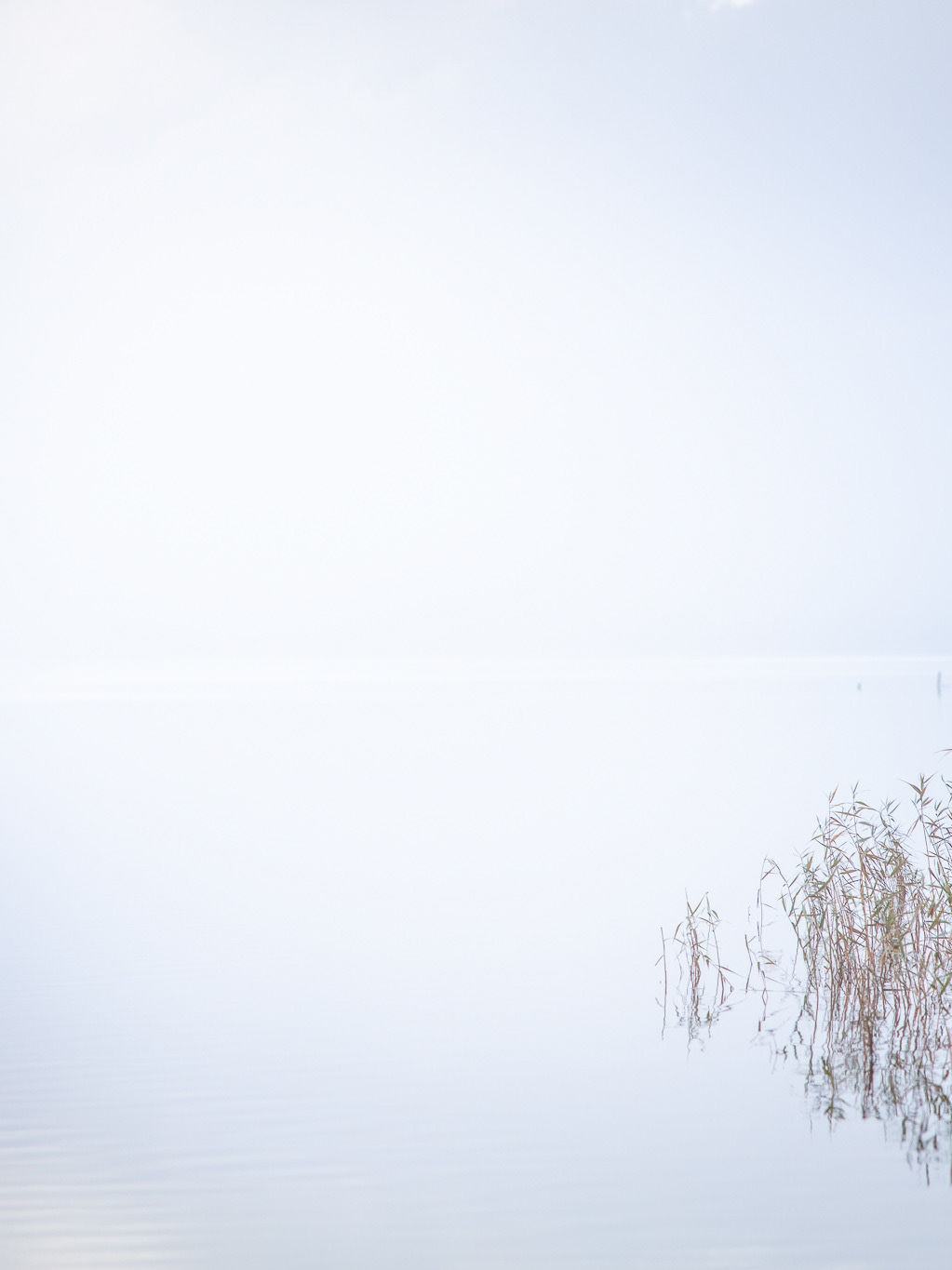
Reed Reflections, Nationalpark Thy - Canon R8 | RF 35mm f/1.8 IS Macro STM
1/50s | f/5.6 | ISO 400
Professional Means Reliable
As a working landscape photographer, my primary income comes from prints. That reality shapes how I evaluate equipment.
The question is not how extreme the specifications are. The question is whether the files hold together in real-world conditions and translate consistently into physical prints.
The full-frame sensor in the Canon R8 delivers clean files with natural tonal transitions and dependable dynamic range. Subtle light in mist, overcast conditions and layered compositions render smoothly. There is flexibility in post-processing without fragility.
For the print sizes I produce most frequently, the resolution is more than sufficient.
Professional, in practice, means predictable and reliable.
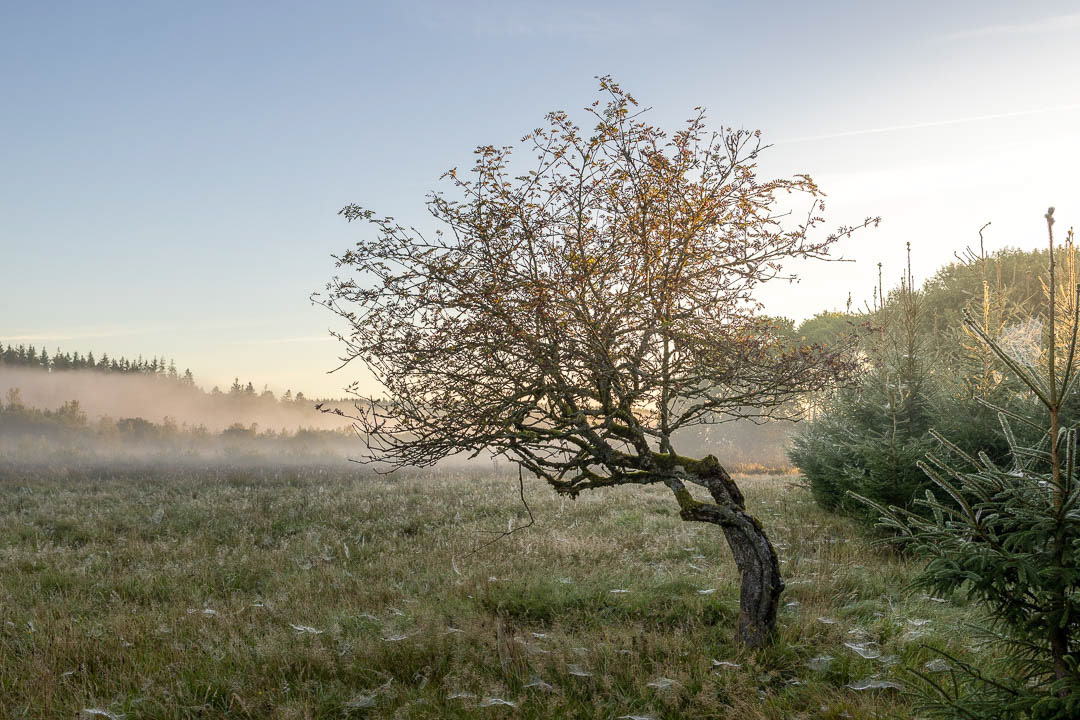
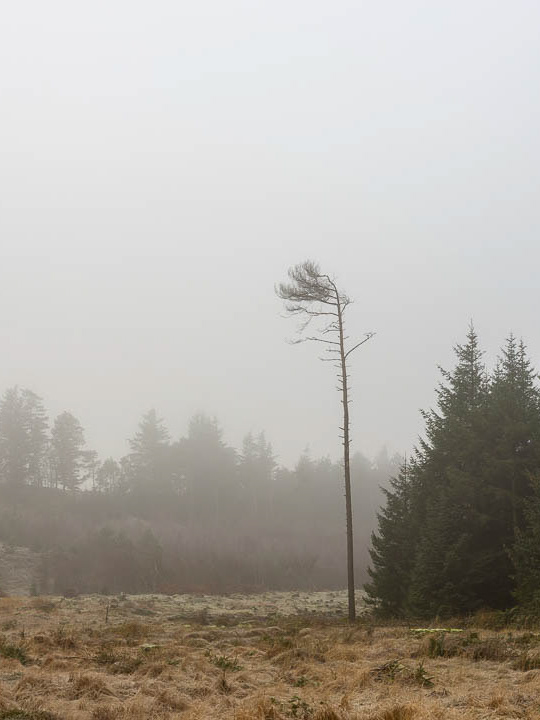
Wind-Shaped Tree - Canon R8 | RF 35mm f/1.8 IS Macro STM
1/50s | f/8 | ISO 100
Autofocus and Practical Performance
In the field, responsiveness matters.
The autofocus system in the Canon R8 is fast and dependable, even in low-contrast conditions typical of Nordic landscapes. When working handheld in changing light, that reliability allows fluid movement without hesitation.
Low-light performance is equally important. Early mornings, late evenings and overcast days dominate much of my work. The files remain clean and flexible, preserving atmosphere rather than forcing aggressive correction.
Technical confidence reduces friction — and friction shapes creative output.
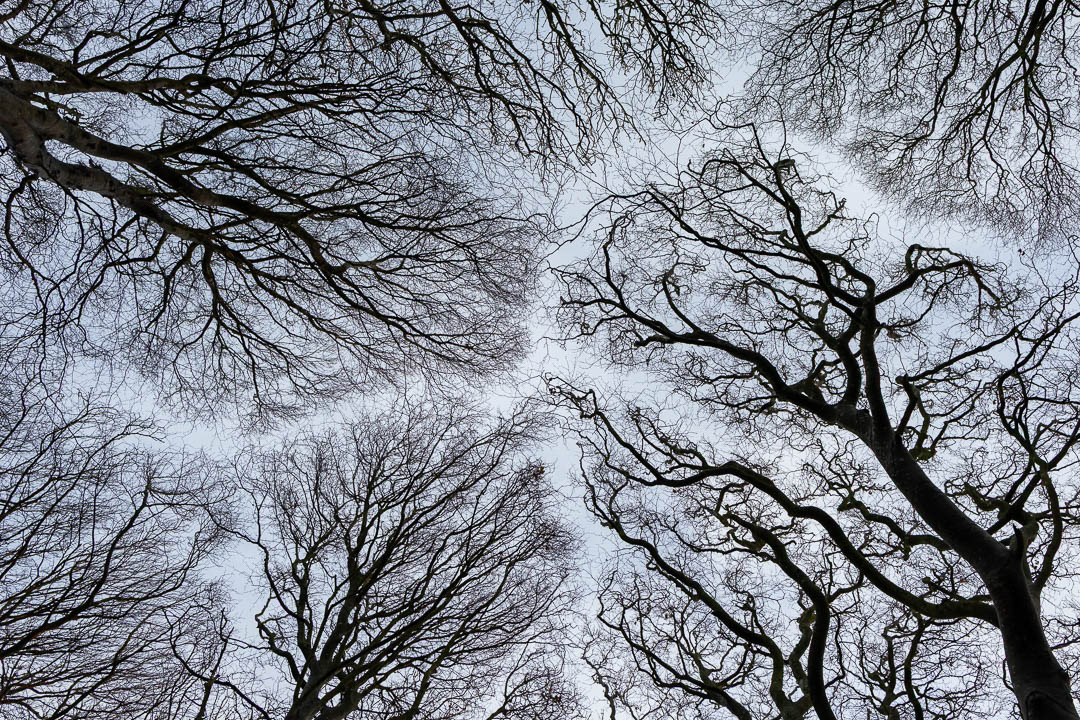
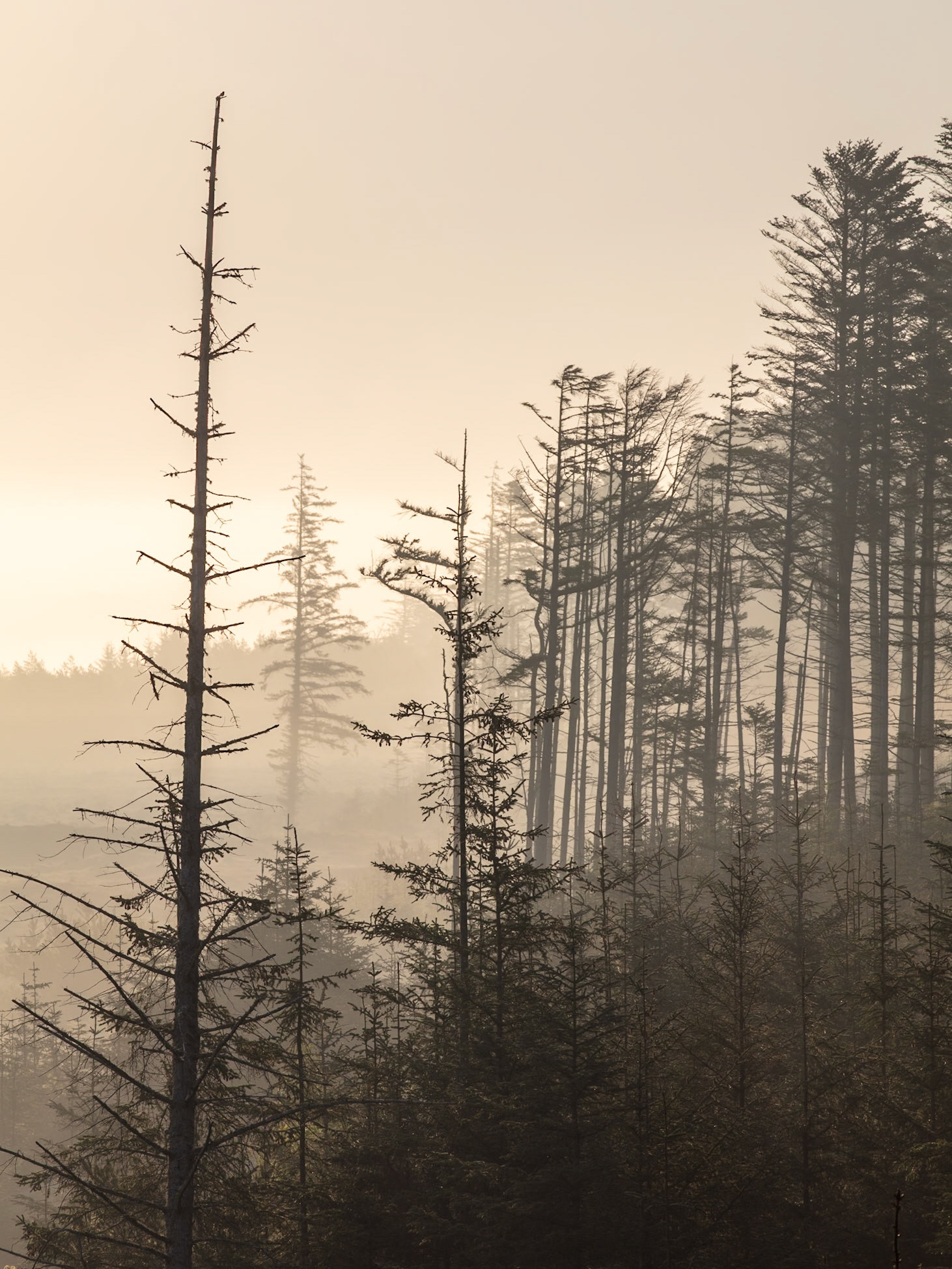
Forest Canopy Geometry -Canon R8 | RF 35mm f/1.8 IS Macro STM
1/80s | f/8 | ISO 400
One Focal Length, Fewer Decisions
The Canon RF 35mm f/1.8 is often described as an everyday lens. For landscape photography, that simplicity becomes a strength.
At 35mm, perspective feels natural. It is wide enough to give space, yet close enough to preserve intimacy. It avoids exaggeration and compression.
Working primarily with one focal length simplifies decision-making. Instead of changing lenses, I adjust position. Instead of reacting to equipment, I respond to light.
Over time, you begin to see in 35mm.
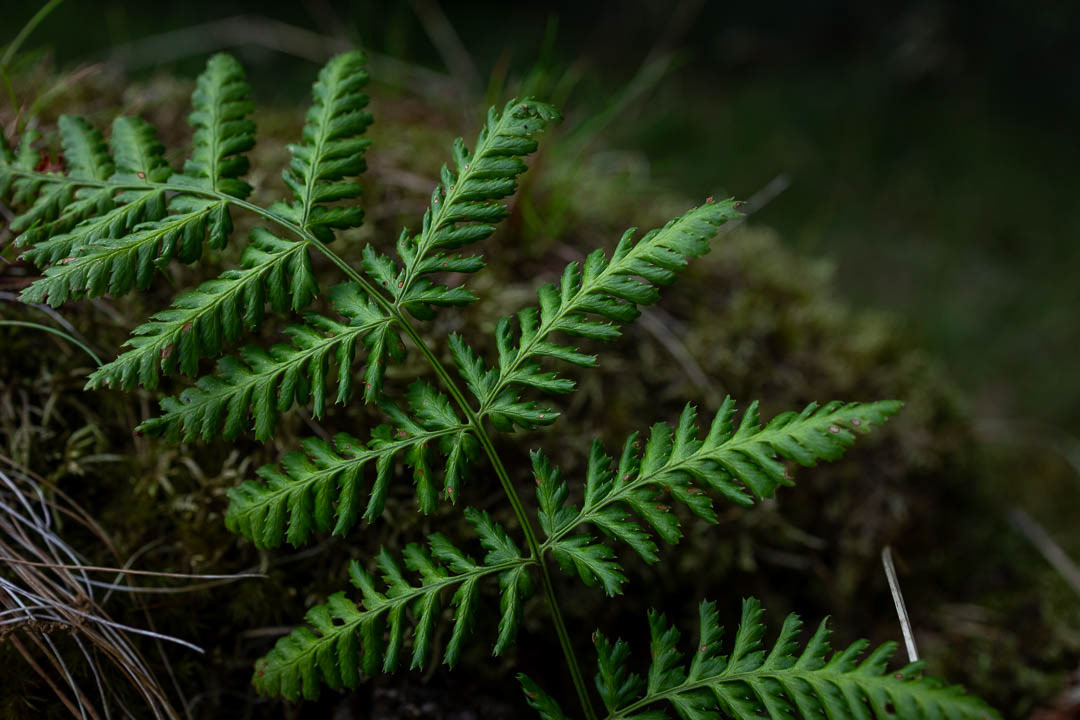
Fern (Close Focus) - Canon R8 | RF 35mm f/1.8 IS Macro STM
1/30s | f/5 | ISO 400
The close focusing capability of the RF 35mm adds further flexibility. Details such as frost patterns, moss, or fragile structures can be captured without changing lenses. That continuity keeps momentum in the field.
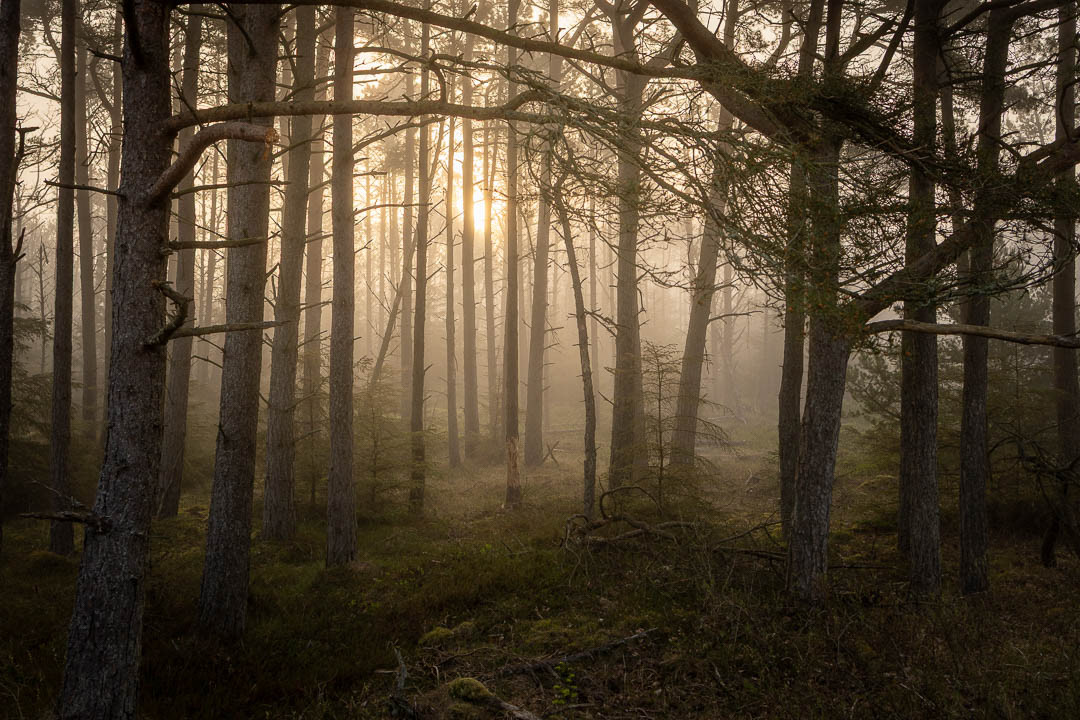
Morning forest - Canon R8 | RF 35mm f/1.8 IS Macro STM
1/125s | f/5.6 | ISO 100
Mobility Shapes Output
Weather resistance is often emphasised in landscape photography discussions. In practice, thoughtful use and mobility matter just as much.
I photograph in wind, mist, cold and light rain — but with awareness. A lighter camera that is always with you often produces more consistent work than heavier equipment used occasionally.
Mobility influences frequency. Frequency influences familiarity. Familiarity shapes quality.
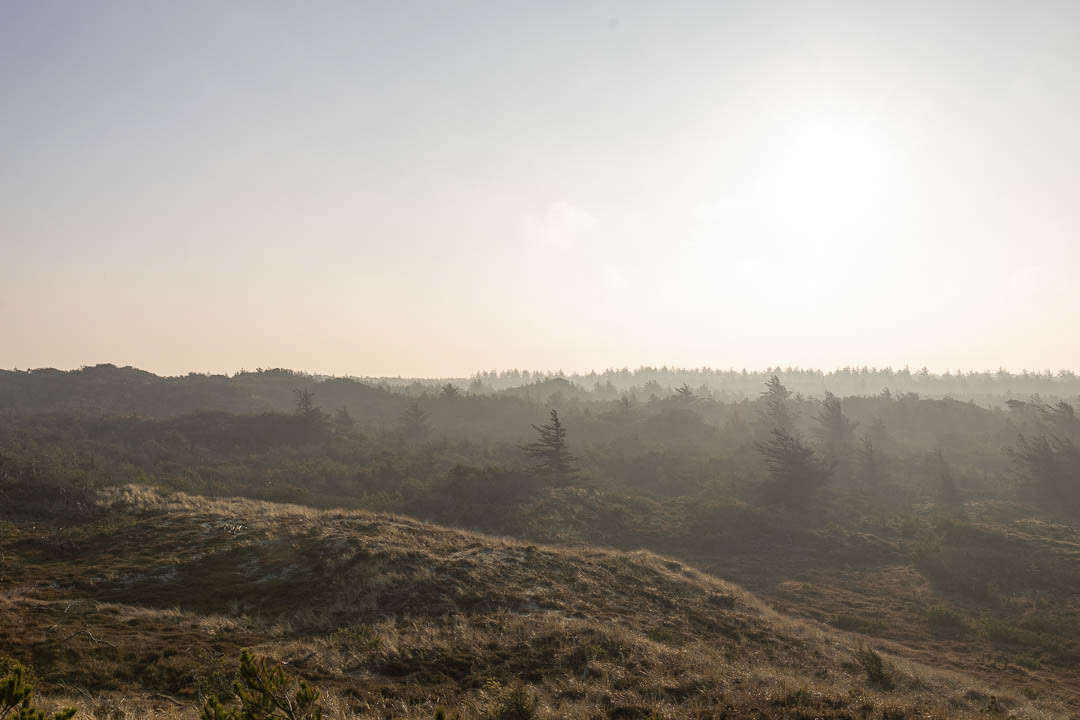
Nationalpark Thy landscape - Canon R8 | RF 35mm f/1.8 IS Macro STM
1/250s | f/9 | ISO 100
A Balanced Approach
The Canon R8 and RF 35mm f/1.8 represent something important in modern photography: professional image quality in a lightweight and accessible form.
For working landscape photographers, that balance matters.
You do not need the most extreme specifications to produce serious work. You need clarity of vision — and tools that stay out of the way.
For my practice in Nationalpark Thy, this combination provides exactly that.
Martin Bay is a Danish landscape photographer based in Nationalpark Thy on the west coast of Denmark. His work focuses on quiet, atmospheric landscapes shaped by repetition and familiarity with place. He works primarily with print-based photography and explores the relationship between mobility, simplicity and long-term field practice.
Author note:
This article reflects my personal working experience. No paid partnership or sponsorship is involved.
This article reflects my personal working experience. No paid partnership or sponsorship is involved.