Simple gear for landscape photography - The Canon R8 and the RF 50mm F1.8
There is something very honest about using a 50mm lens for landscape photography.
It does not give the dramatic width of an ultra-wide angle, and it does not compress the landscape like a long telephoto lens. It simply shows the world in a clean, natural way - close to how we often experience a scene when we stand still and really look.
For me, that is the strength of using the Canon EOS R8 with the RF 50mm f/1.8 STM.
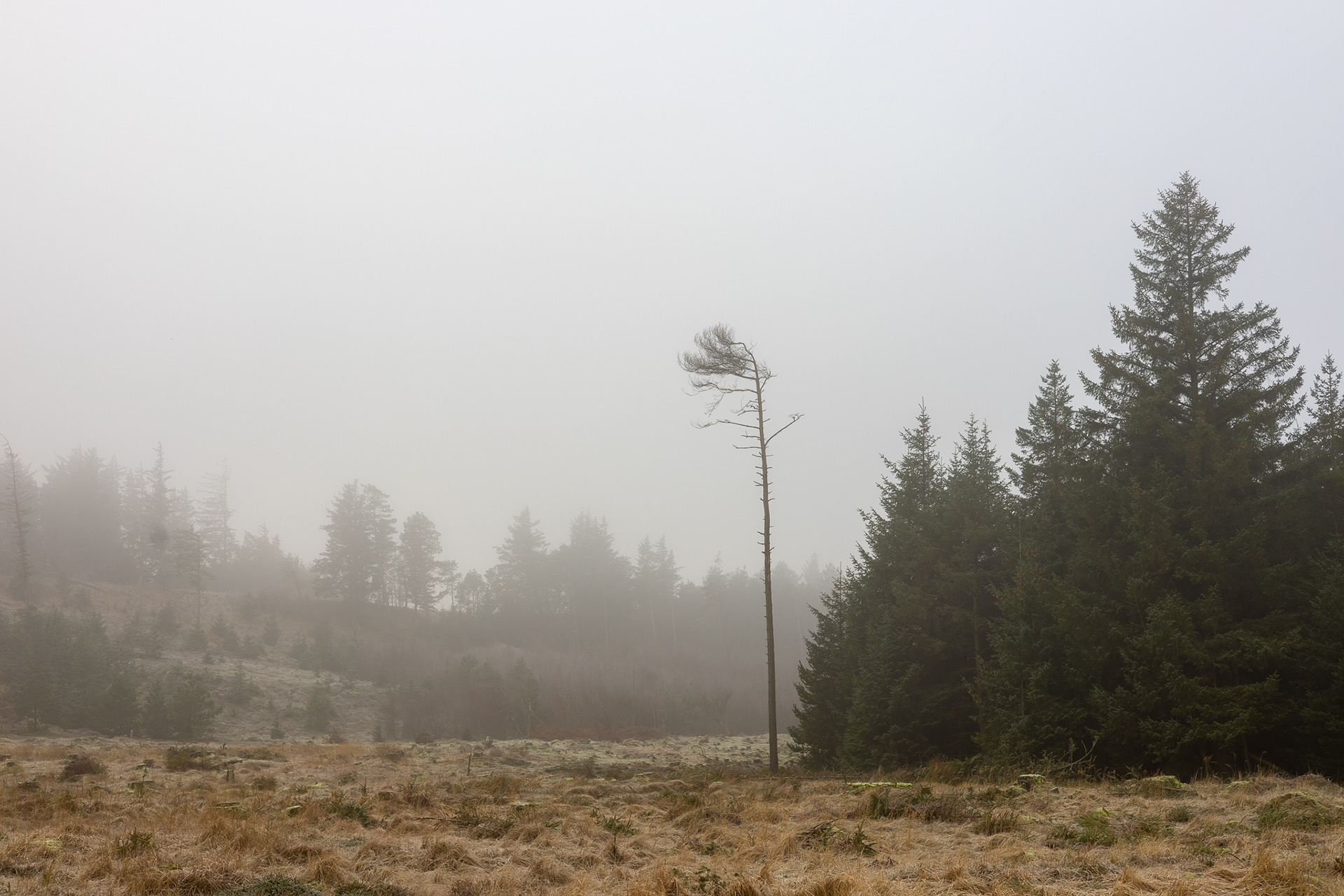
A simple 50mm setup can still create quiet, detailed landscape photographs.
A small lens with a serious purpose
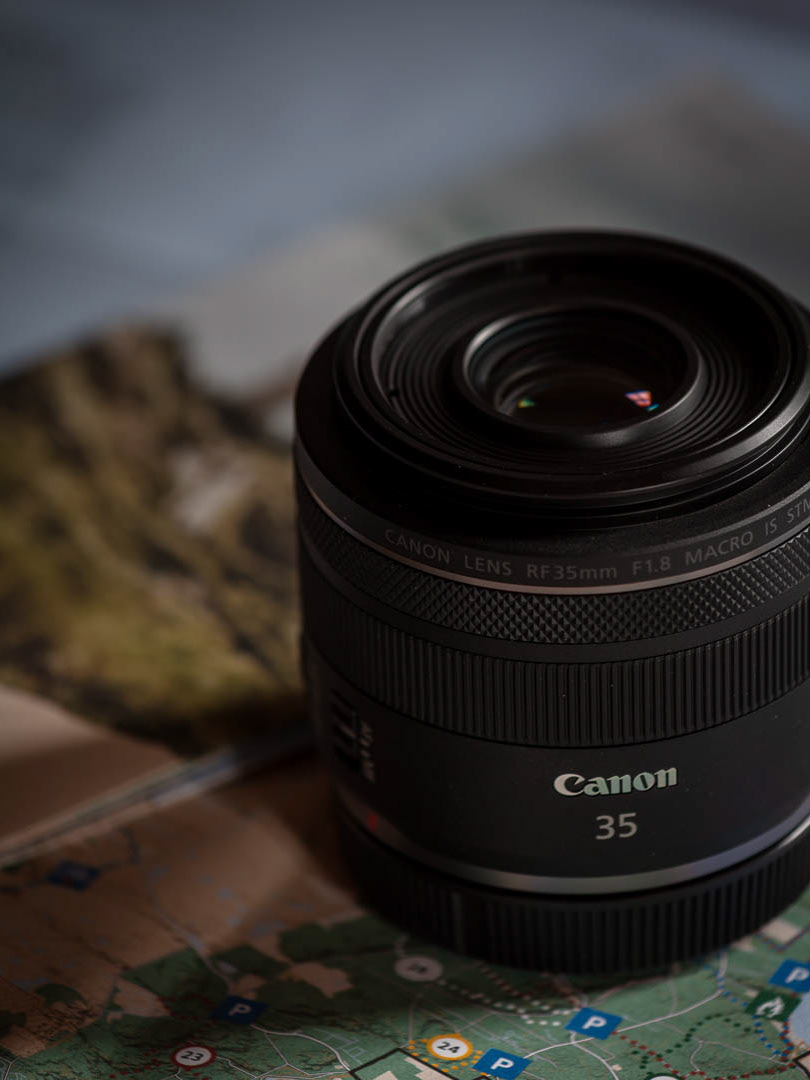
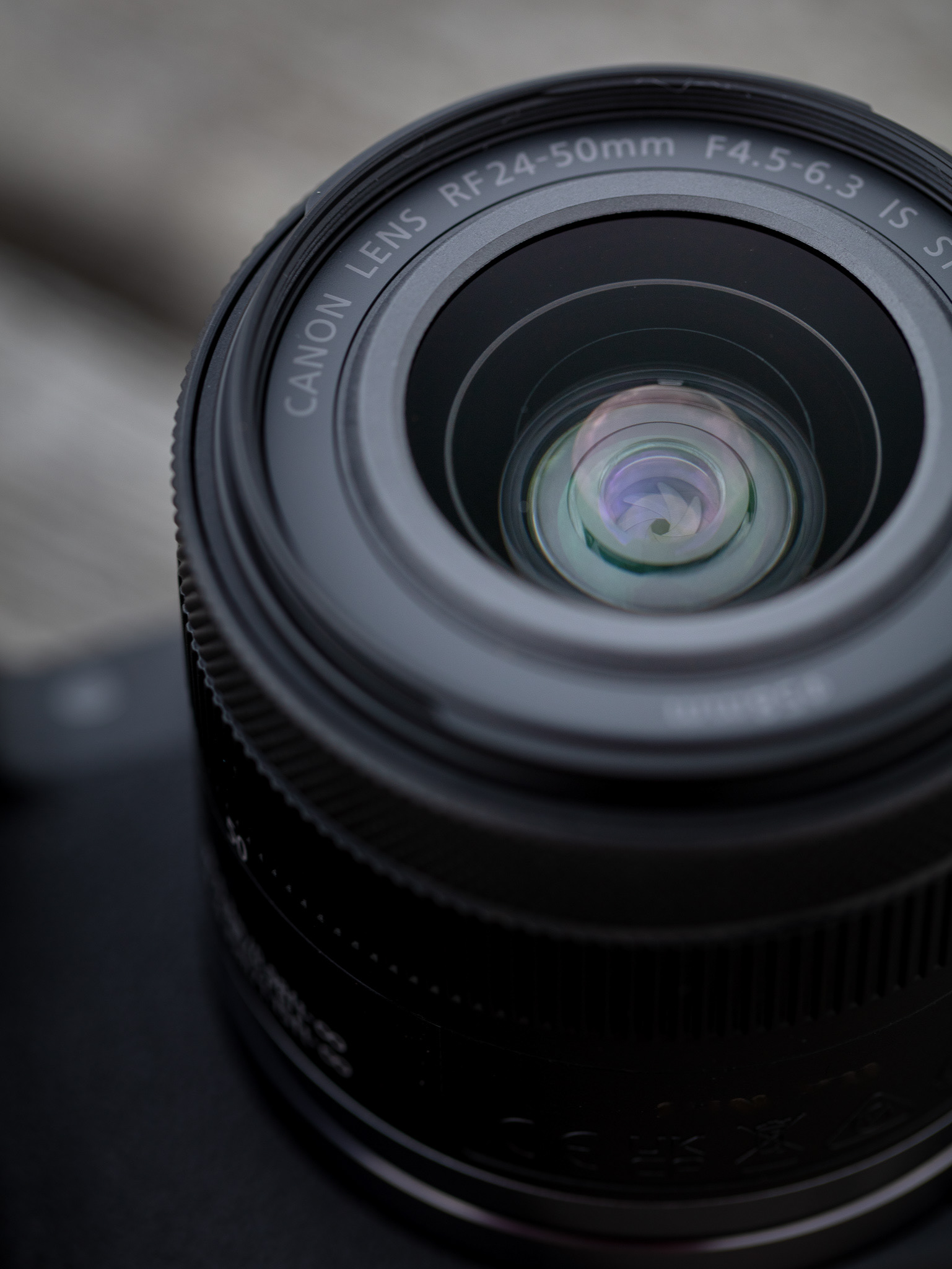
The RF 50mm f/1.8 is often described as a beginner lens. I understand why. It is inexpensive compared to Canon’s professional RF lenses, and for many photographers it is the first prime lens they buy after the kit zoom.
But that does not make it unserious.
A simple 50mm prime has fewer compromises than many zoom lenses. The optical design is straightforward, the lens is compact, and the image quality can be surprisingly strong when used carefully. Stopped down a little, it becomes sharp enough for serious landscape work. Opened up, the large f/1.8 aperture gives extra freedom when the light is low.
The lens does not have image stabilization, and for my use that is not a major problem. With a bright f/1.8 aperture and the good high ISO performance of the R8, I can still work in low light. I can easily photograph at ISO 400, and even ISO 800 still gives me very clean files.
The lack of stabilization also helps keep the lens small, simple and affordable. That is part of the reason this setup works so well.
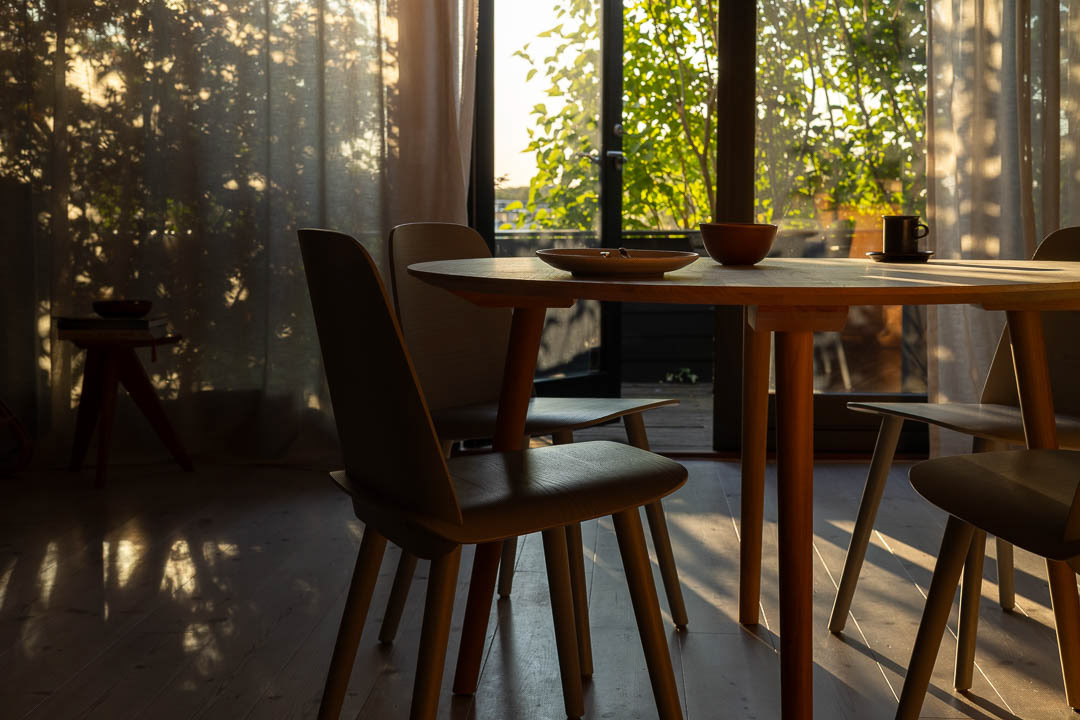
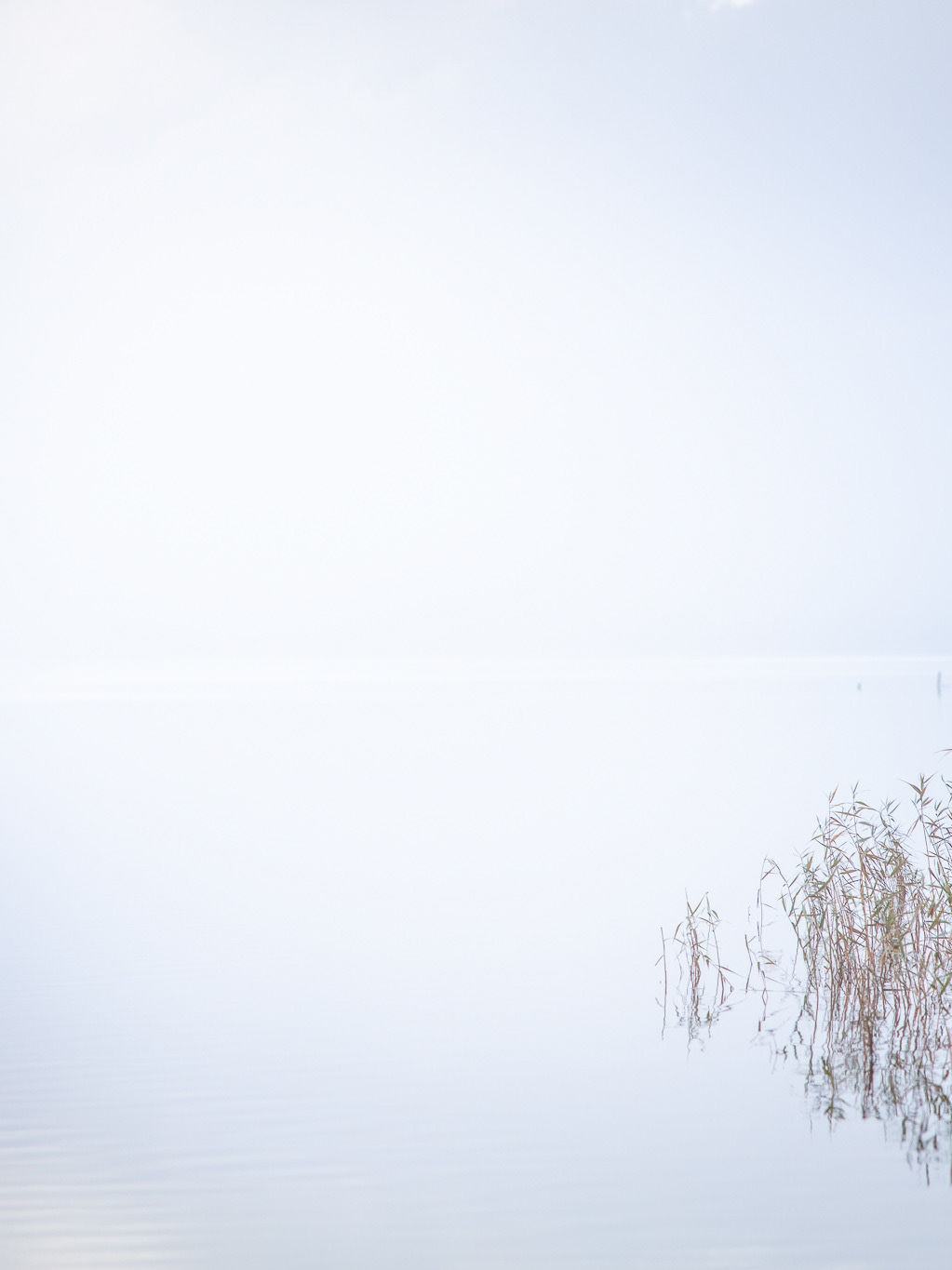
The f/1.8 aperture makes the small 50mm useful indoors and in soft morning light.
Why pair it with the Canon R8?
The Canon EOS R8 is a very light full-frame camera, and that is important to me.
With the RF 50mm f/1.8 attached, the whole setup weighs around 615 grams including battery. That is lighter than many camera bodies alone, and it changes how I work in the landscape.
A camera that is easy to bring is a camera that gets used. For landscape photography, I do not always want to carry a heavy backpack. Often I want to walk, observe, and respond to what the weather gives me. The R8 fits that way of working very well.
There is less gear to think about. Less weight. Less decision-making. One camera. One small prime lens. A full-frame sensor. A clear field of view.
That can be enough.
The useful limitation of 50mm
For landscape photography, 50mm can sometimes feel narrow.
There are scenes where I want more sky, more foreground, or more space around the subject. With a wider lens, I could include everything in one frame. With a 50mm, I have to make a choice.
But that choice is not always a problem.
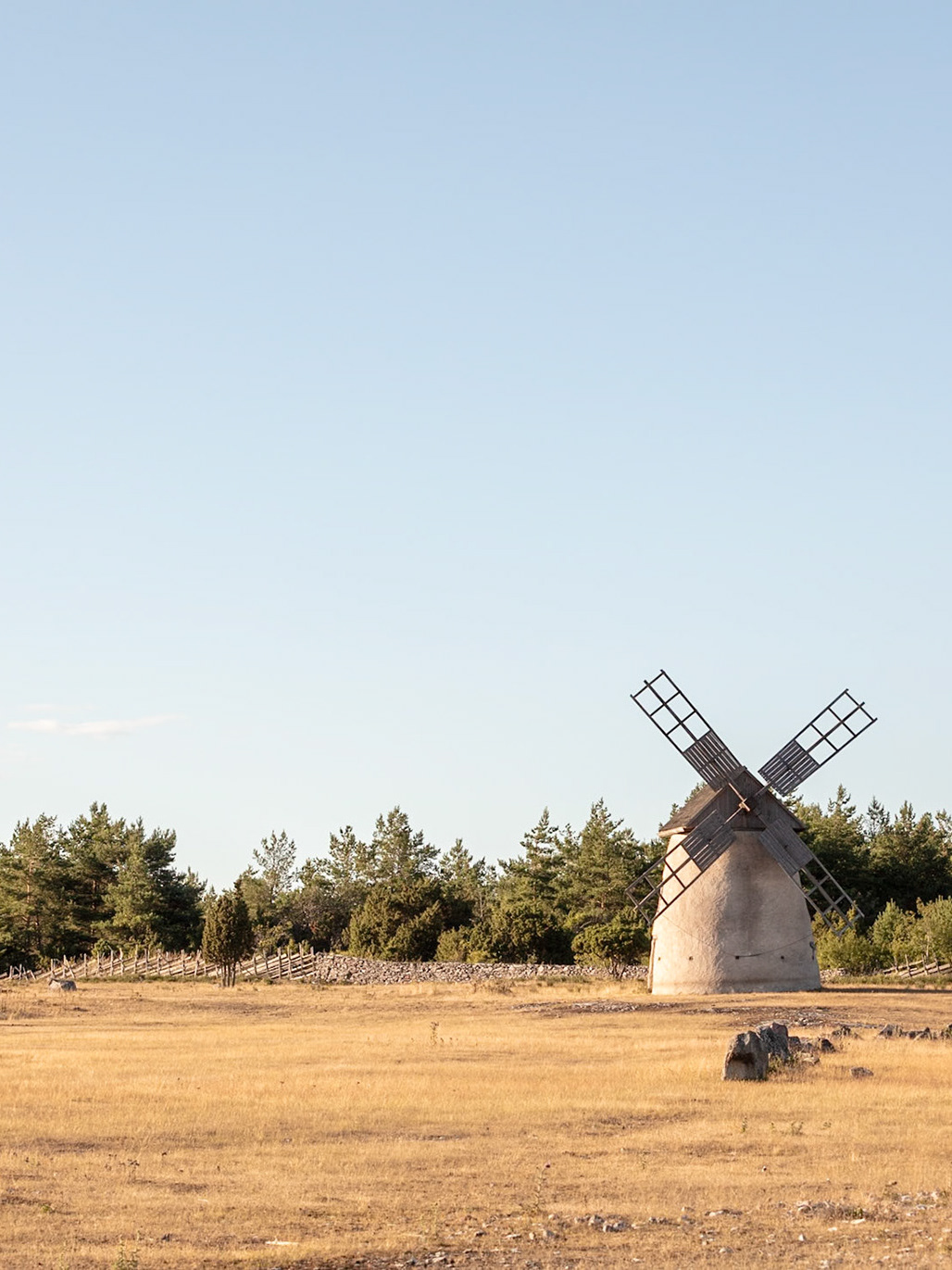
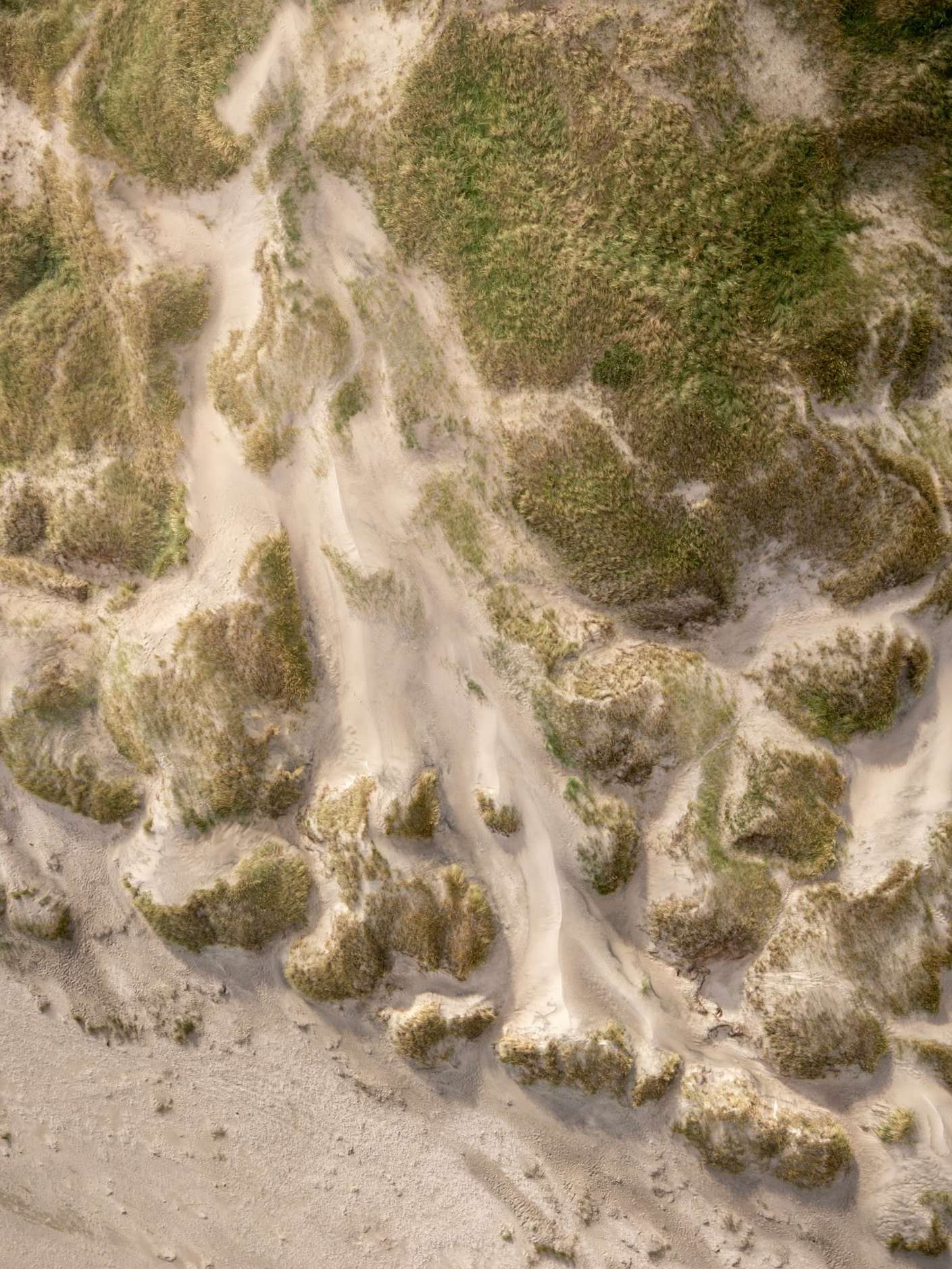
A 50mm lens encourages more careful framing. It removes some of the visual noise. Instead of trying to include the whole landscape, I start looking for structure: a line in the dunes, a quiet tree, layers in the hills, a break in the clouds, or a simple relationship between land and sky.
It is a good lens for finding order.
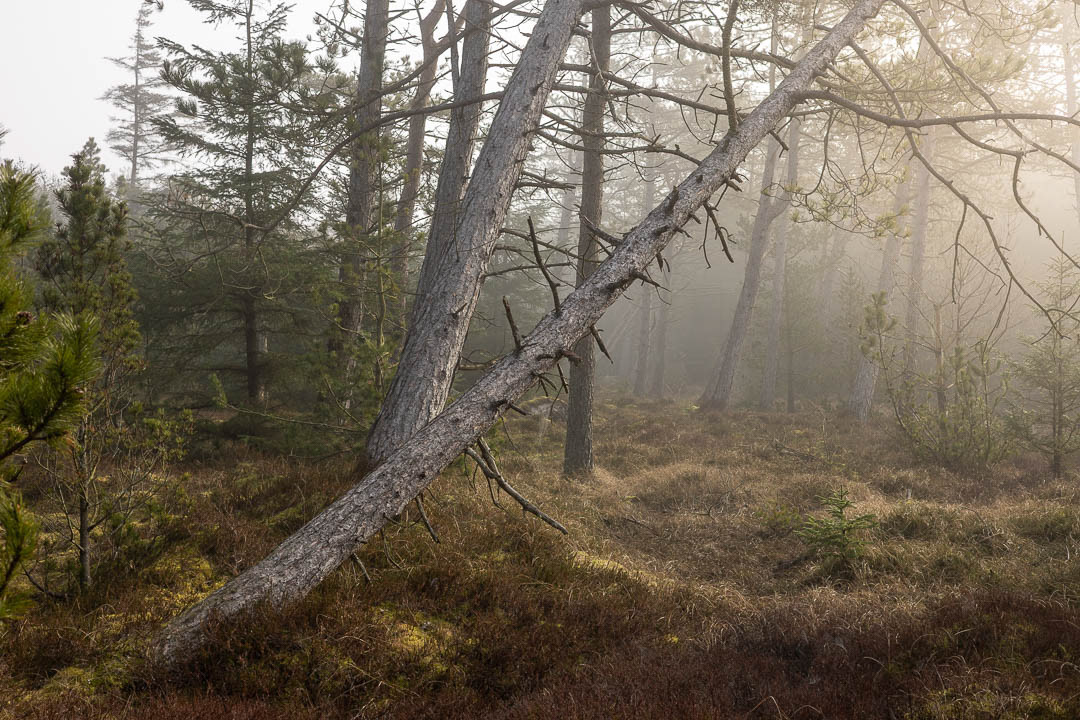
A 50mm lens can help simplify the landscape and remove visual noise.
How I add more to the frame by stitching images together
One of the most useful techniques with a 50mm lens is to photograph the scene in two or more overlapping frames and stitch them together later.
It is a simple way to get more into the frame without changing lens.
With the 50mm, I can keep the clean, natural look of the lens, but still create a wider final photograph when the landscape needs more space. At the same time, the final file becomes larger because it is built from more than one image.
For print work, that is very interesting.
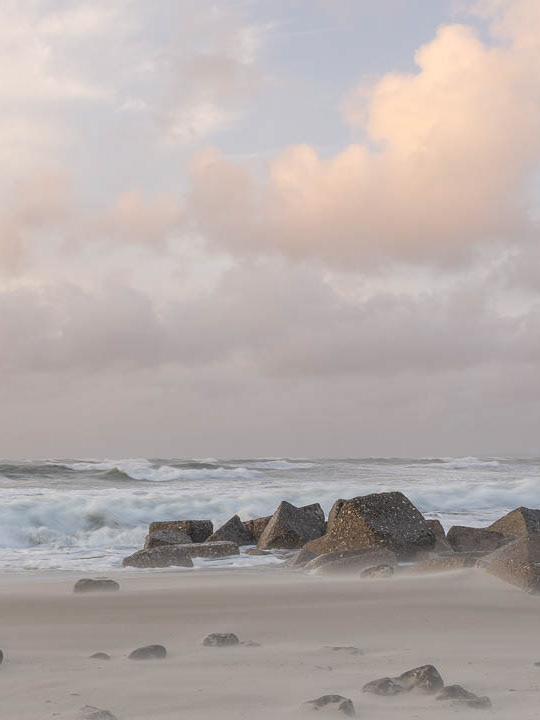
In one example, I combined three frames into a single final image. After cropping, the file ended at 52MP. That is more resolution than the R8 can produce in one frame, and it also gave me a wider field of view without changing lens.
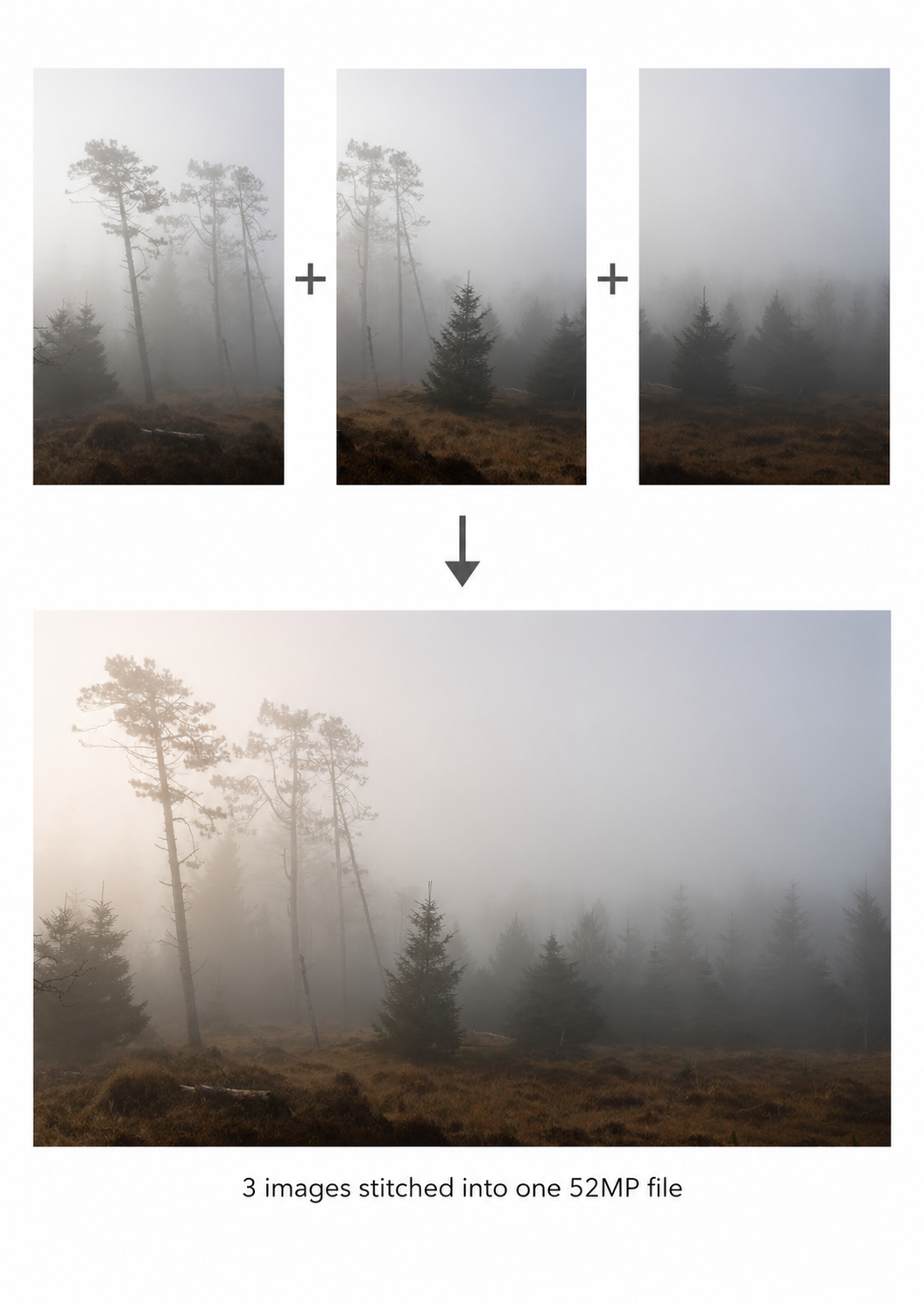
My approach is simple. I choose the final composition first. Then I photograph the scene with enough overlap between the frames for the software to combine them cleanly. I try to keep the camera level, avoid changing exposure between the frames, and work fairly quickly if the light or clouds are moving.
This works best with scenes that have structure but not too much fast movement. Dunes, forests, fields, coastlines, distant hills and quiet skies are good subjects. Waves, fast-moving grass, birds, or changing light can make stitching more difficult, but not impossible.
I am not trying to replace a wide-angle lens in every situation. There are times when a true wide lens is still the better tool. But with a 50mm prime, stitching makes the setup much more flexible than it appears at first.
The important thing is that the final image should still feel like one photograph. It should not feel like a technical exercise.
More than a landscape lens
What I like about the RF 50mm f/1.8 is not only how it works in the open landscape.
It also works in the spaces around the landscape.
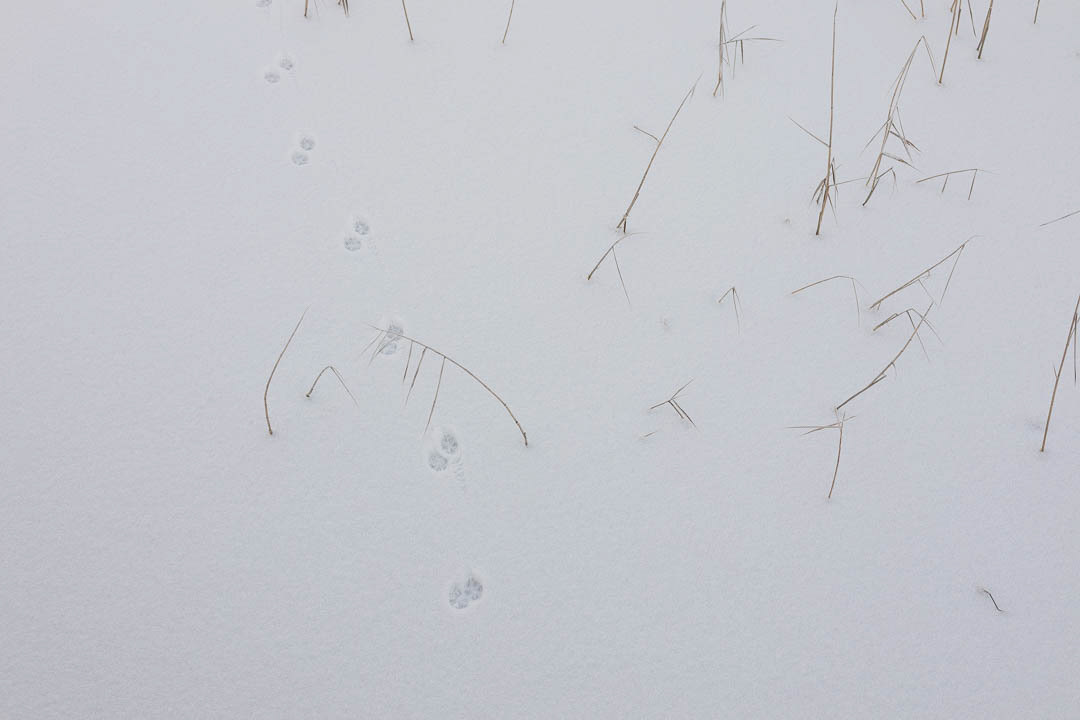
A person repairing a boat. Morning light through a window. Details in snow. A quiet interior. Horses in the dunes. These are not classic wide landscape photographs, but they are still part of the same story. They show the place, the weather, the life around it, and the small moments that often explain a landscape better than a dramatic view.
This is where the 50mm becomes very useful.
It is wide enough to show context, but narrow enough to remove clutter. It can photograph a scene without making it feel exaggerated. It gives a natural distance to people and objects, and the large aperture makes it useful indoors or in soft, low light.
I do not see it as one lens that can do everything. No lens can do that.
But it can do a lot of what I actually photograph.
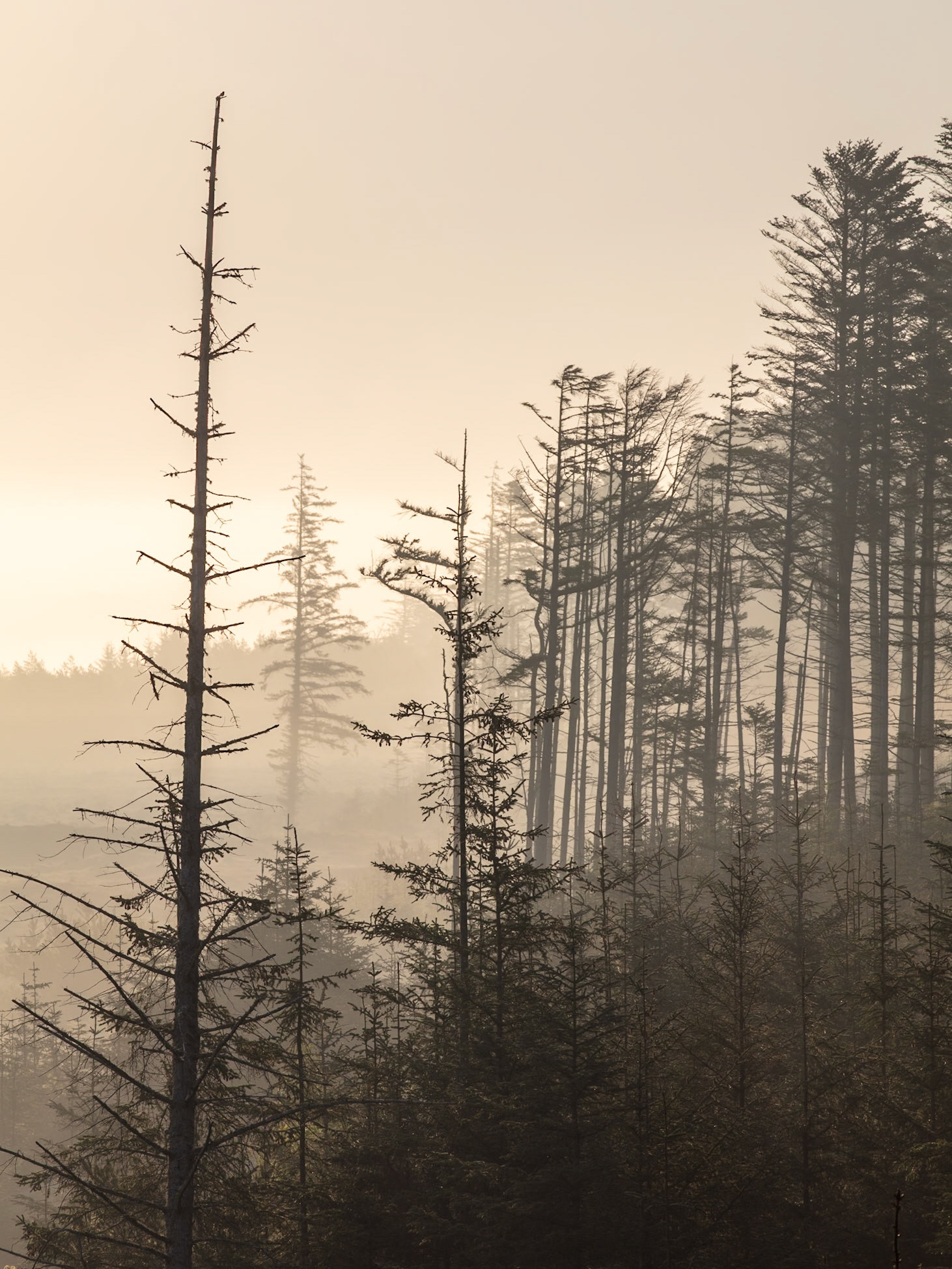
For a landscape photographer who also works with atmosphere, interiors, people and small visual stories, that matters. The same lens can move from a misty forest to a boat repair shop, from a stitched coastal view to a quiet table in morning light. It keeps the setup simple, and it keeps the way of seeing consistent.
That consistency is one of the hidden strengths of using a prime lens.
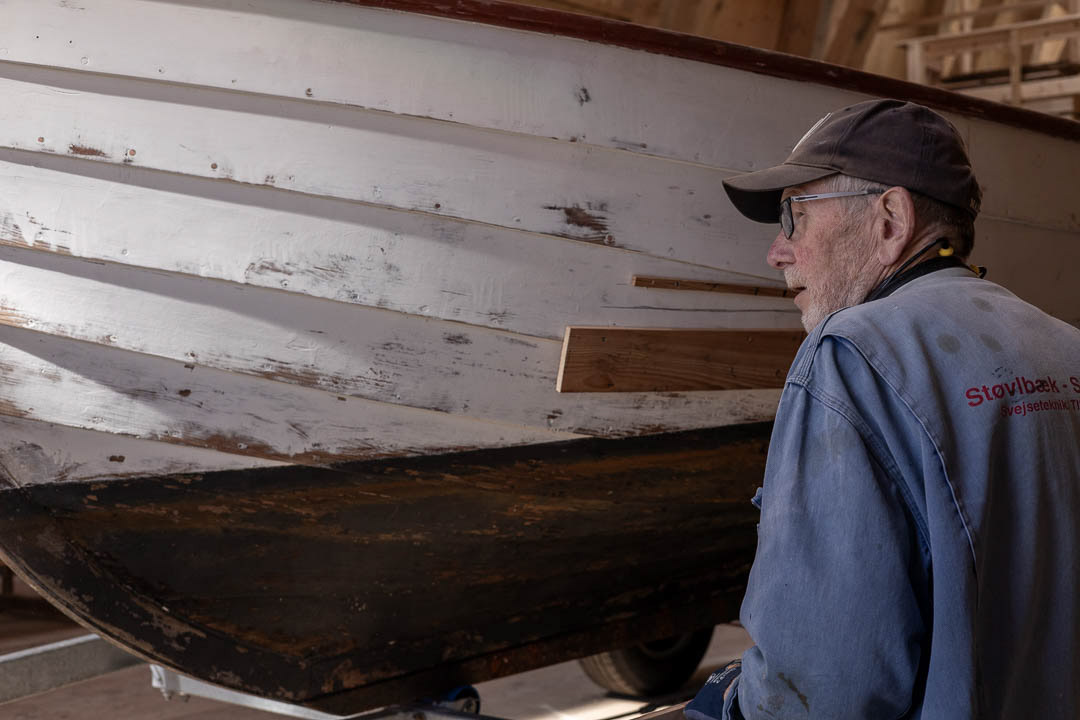
Sharpness, simplicity and print quality
For my own work, the final test is not only how an image looks on a screen.
It is how it feels as a print.
This is where a simple prime lens can be surprisingly strong. The RF 50mm f/1.8 is not an expensive professional lens, but used with care it can produce clean, detailed files. Combined with the R8’s full-frame sensor and the option to stitch two or more frames together, it becomes a very capable setup for print-based landscape photography.
The setup also fits a larger idea I keep returning to: you do not always need more gear to make better photographs.
Sometimes you need less.
Less weight. Fewer choices. More time outside. More attention to light, form and atmosphere.
A small setup for serious landscape photography
The Canon R8 and RF 50mm f/1.8 will not be the perfect setup for every landscape photographer.
It is not weather-sealed like Canon’s more professional combinations. It does not have the flexibility of a zoom lens. And 50mm can feel tight if you are used to photographing wide scenes.
But it has a different kind of strength.
It is light enough to bring almost anywhere. It is affordable enough to remove some of the pressure around gear. It is sharp enough for serious work. And it is simple enough to let the landscape become the main thing again.
For me, that is the point.
A camera and lens combination does not need to look impressive to be useful. It needs to be with you when the light changes, when the weather opens, and when the landscape becomes quiet enough to photograph.
Small, simple and capable - especially when you are willing to work a little slower and let two or more frames become one.