Photographing quiet landscapes with a 70-200mm lens | Martin Bay
Photographing quiet landscapes with a 70-200mm lens
A personal look at how the 70-200mm focal range helps me simplify dunes, forests and quiet details in the Danish landscape.
I often photograph the Danish landscape by looking for what is quiet.
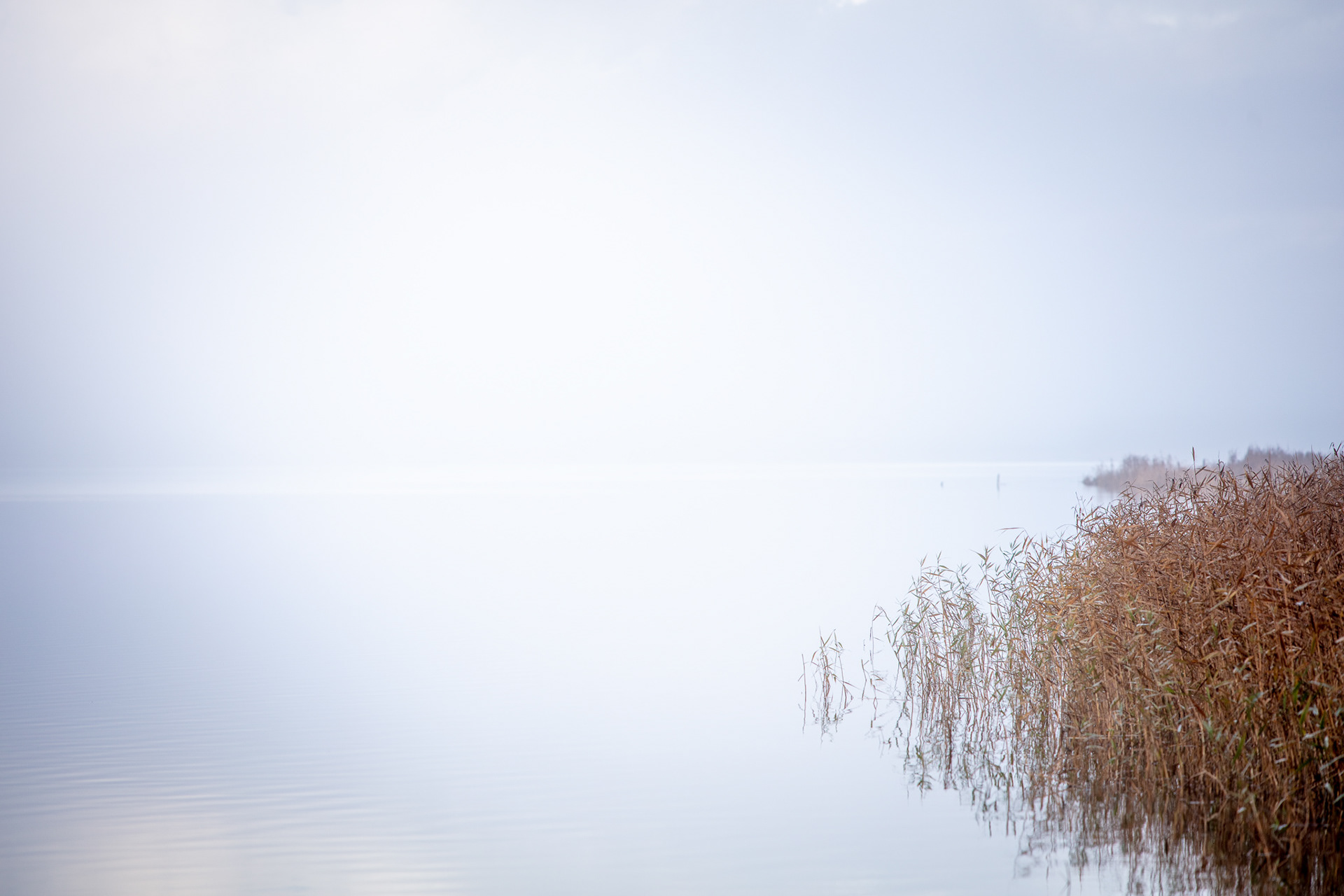
Not quiet as in empty, but quiet in the way a place can hold back a little. A line of reeds along still water. Dunes shaped by wind. A small seamark above the grass. Mist between trees. A mushroom growing from a fallen branch.
On a recent trip south of Hvide Sande, I noticed that many of the images I was most drawn to were made with a 70-200mm f/4 lens. I used the Canon EF version, but the important part is not really the exact lens. It is the focal range.
A 70-200mm lens changes the way I see. It helps me remove what I do not need and choose a smaller, quieter part of the landscape. Instead of trying to include everything, I can look for shape, rhythm, distance and small relationships.
That fits the Danish landscape very well.

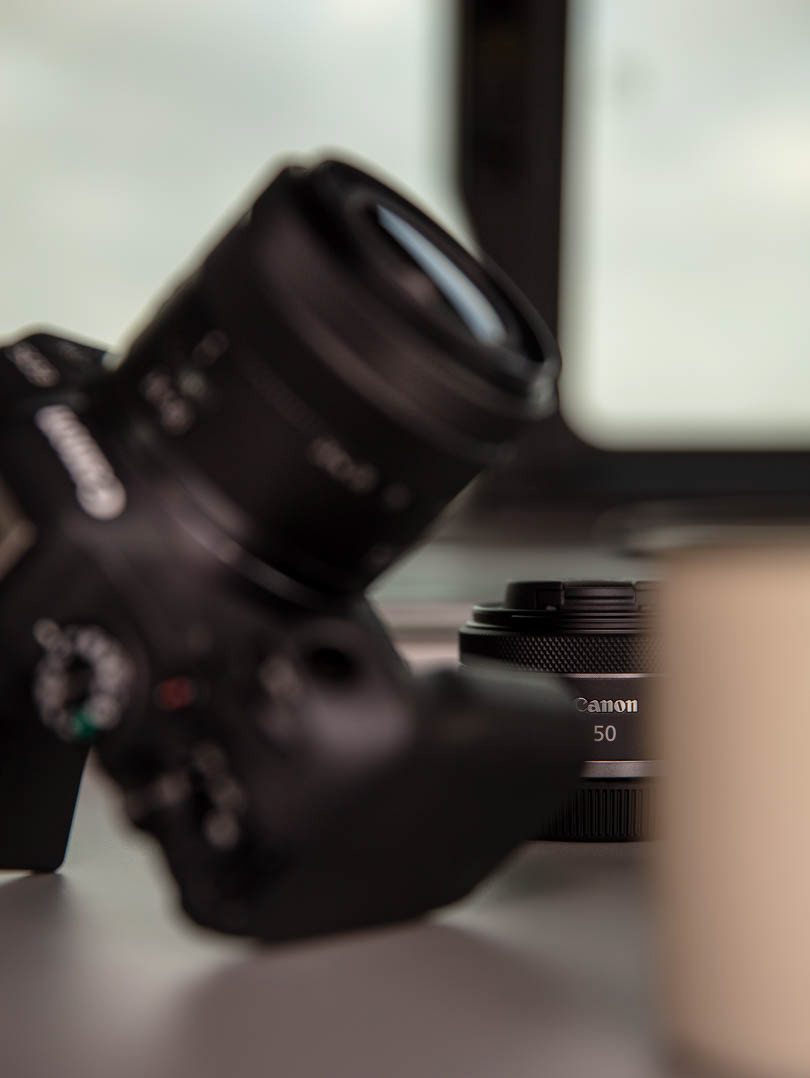
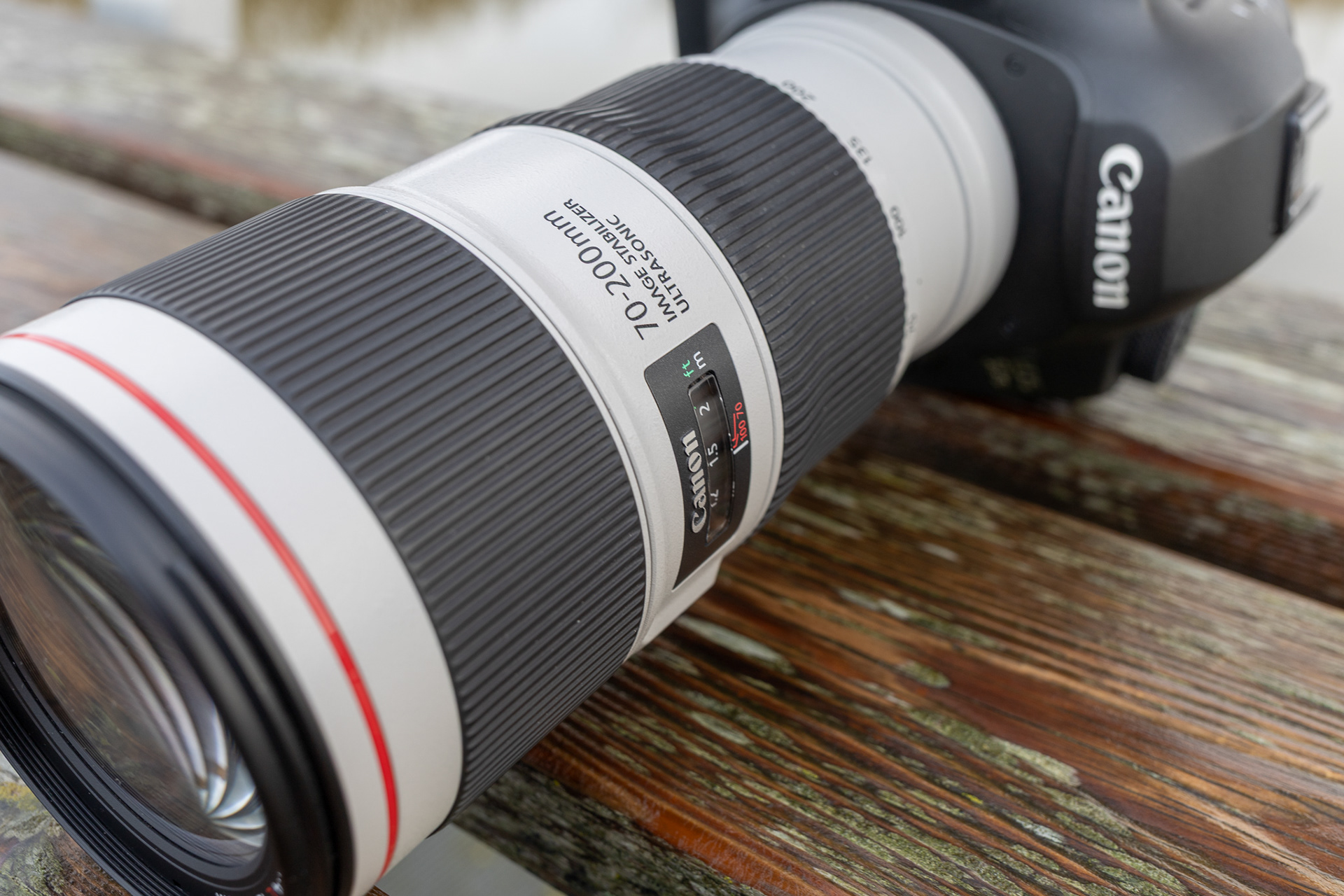
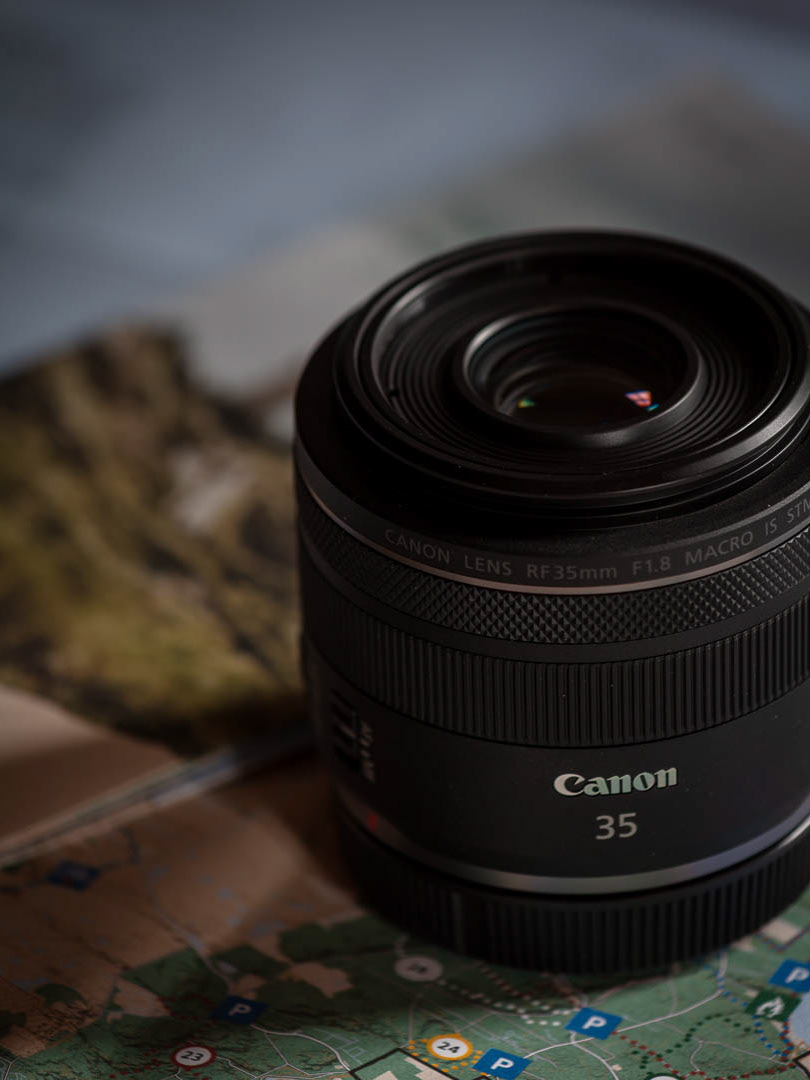
My Canon setup with the EF 70-200mm f/4. The article is based on this lens, but the thoughts apply just as much to the RF 70-200mm range.
A lens that helps me show less
Landscape photography is often connected with wide-angle lenses. I understand why. A wide-angle lens can include the whole view, the foreground, the sky and the sense of standing in a place.
But I often find that the Danish landscape becomes stronger when I include less.
Here, the drama is rarely obvious. We do not have high mountains or deep valleys. Much of the beauty is more subtle. It is found in grass, sand, weather, soft colours and small shifts in light.
With a 70-200mm lens, I can remove distractions and stay with the part of the scene that first made me stop.
For me, that is often where the photograph begins.

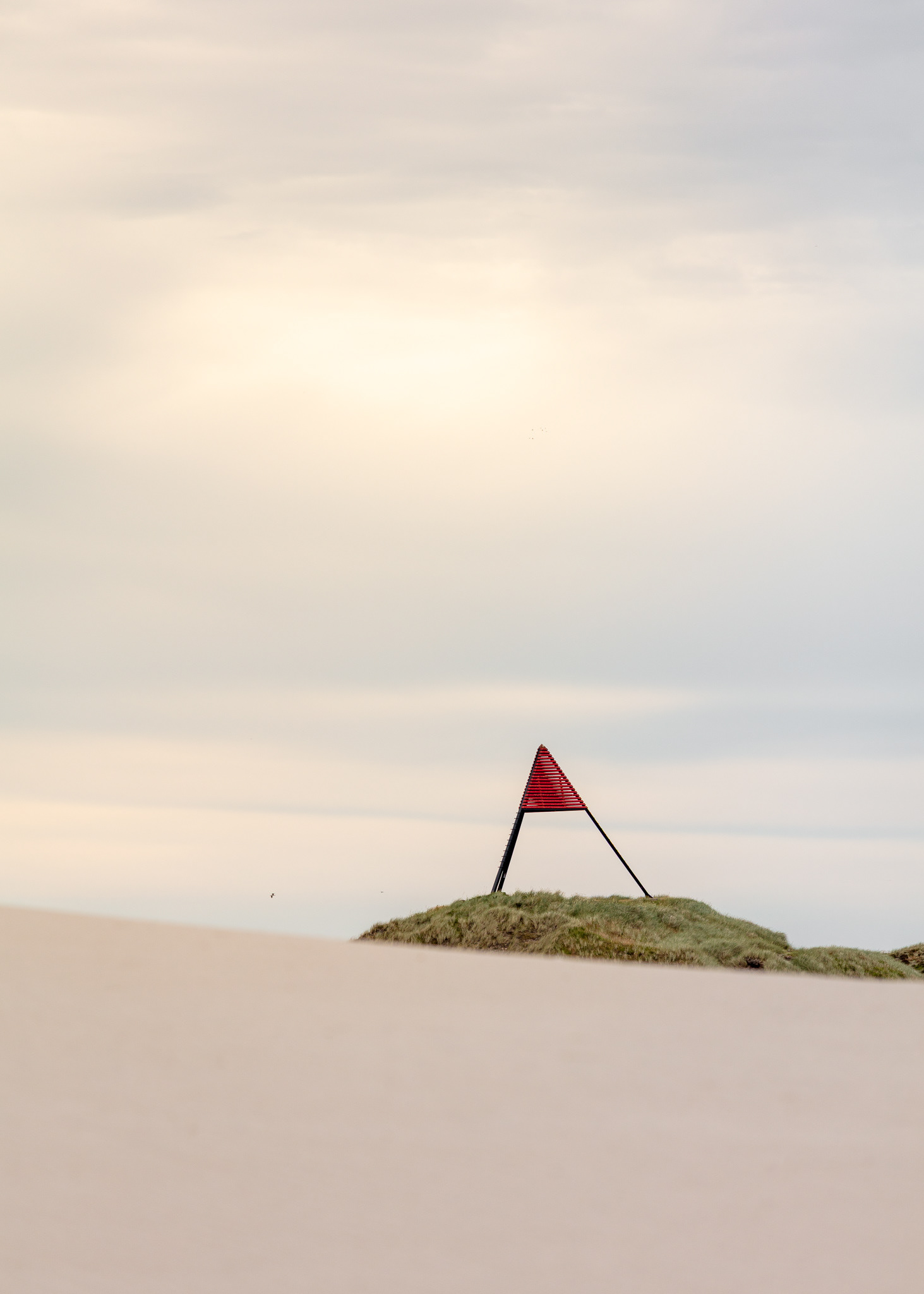
A seamark rising above the dunes. The longer focal length gives the structure presence, while still keeping the landscape quiet and open around it.
Signs in the landscape
The seamark in the dunes is a good example of why I like this focal range.
It is a simple structure in a simple landscape, but through the longer lens it becomes more than an object. It becomes a sign of orientation. A small human mark in a place shaped mostly by wind, sand and grass.
I like that balance.
The landscape is still the main story, but there is a quiet trace of people moving through it. Not dominating it. Just being present in it.

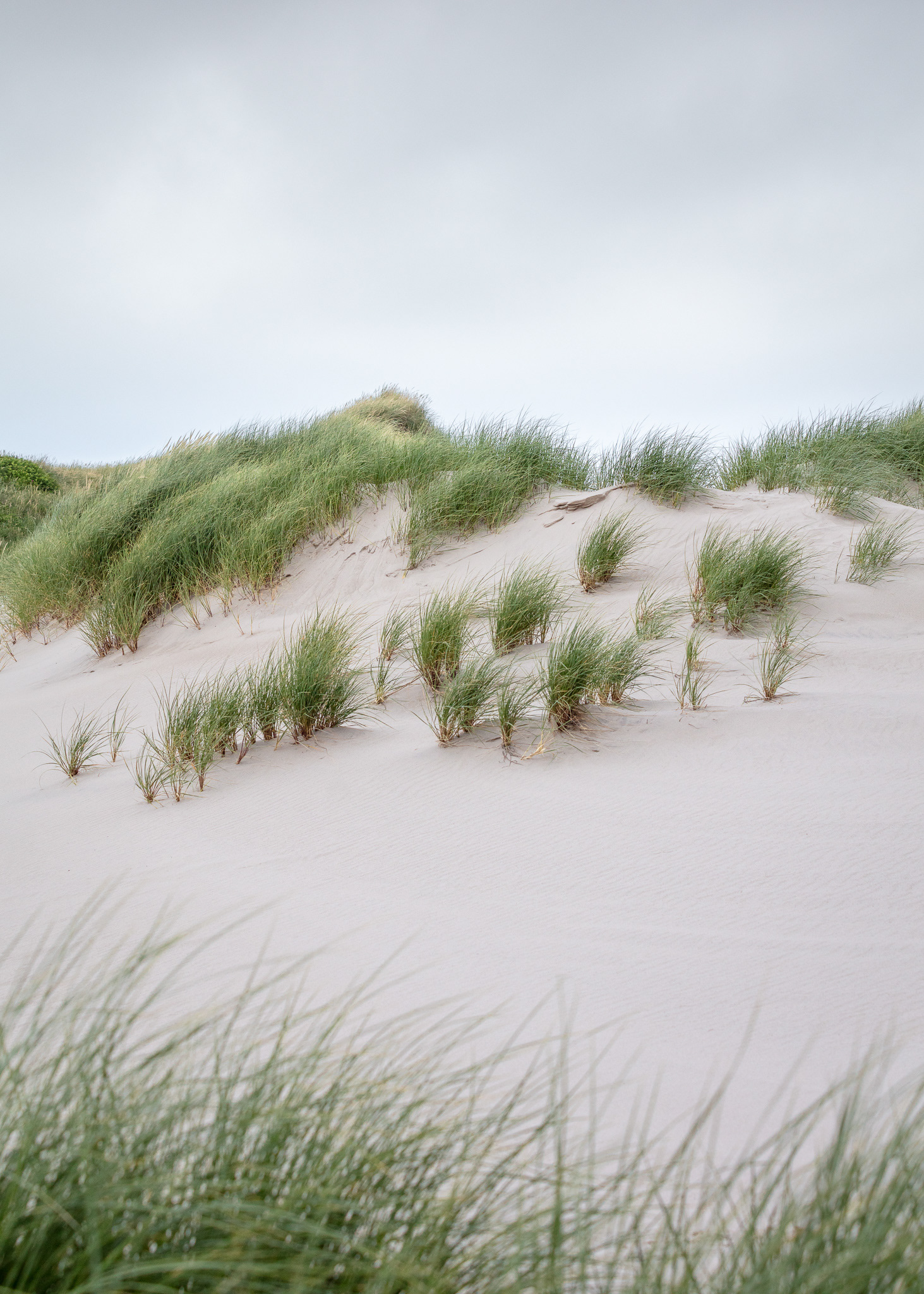
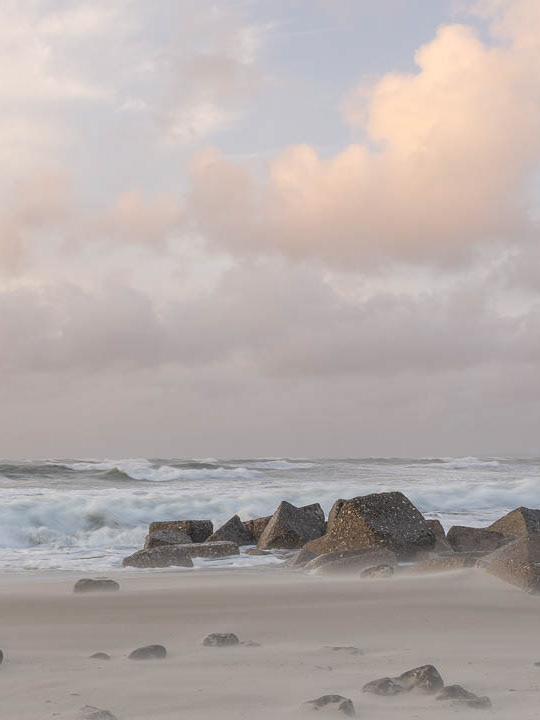
Dunes, marram grass and soft light along the Danish west coast. The 70-200mm focal range compresses the layers and helps the landscape become calmer and more graphic.
Dunes, grass and soft layers
In the dunes, the 70-200mm lens helps me work with texture and layers.
The Danish west coast is full of small forms. Marram grass, sand, low hills, pale colours and soft transitions. From a distance, these elements begin to overlap. The lens compresses them slightly, so the landscape becomes more graphic and calm.
I often look for the places where the landscape almost becomes a pattern. Grass leaning in the same direction. Sand catching the light. Dunes rising and falling like a slow movement.
A wide view can sometimes explain too much. A narrower view can leave more room for feeling.

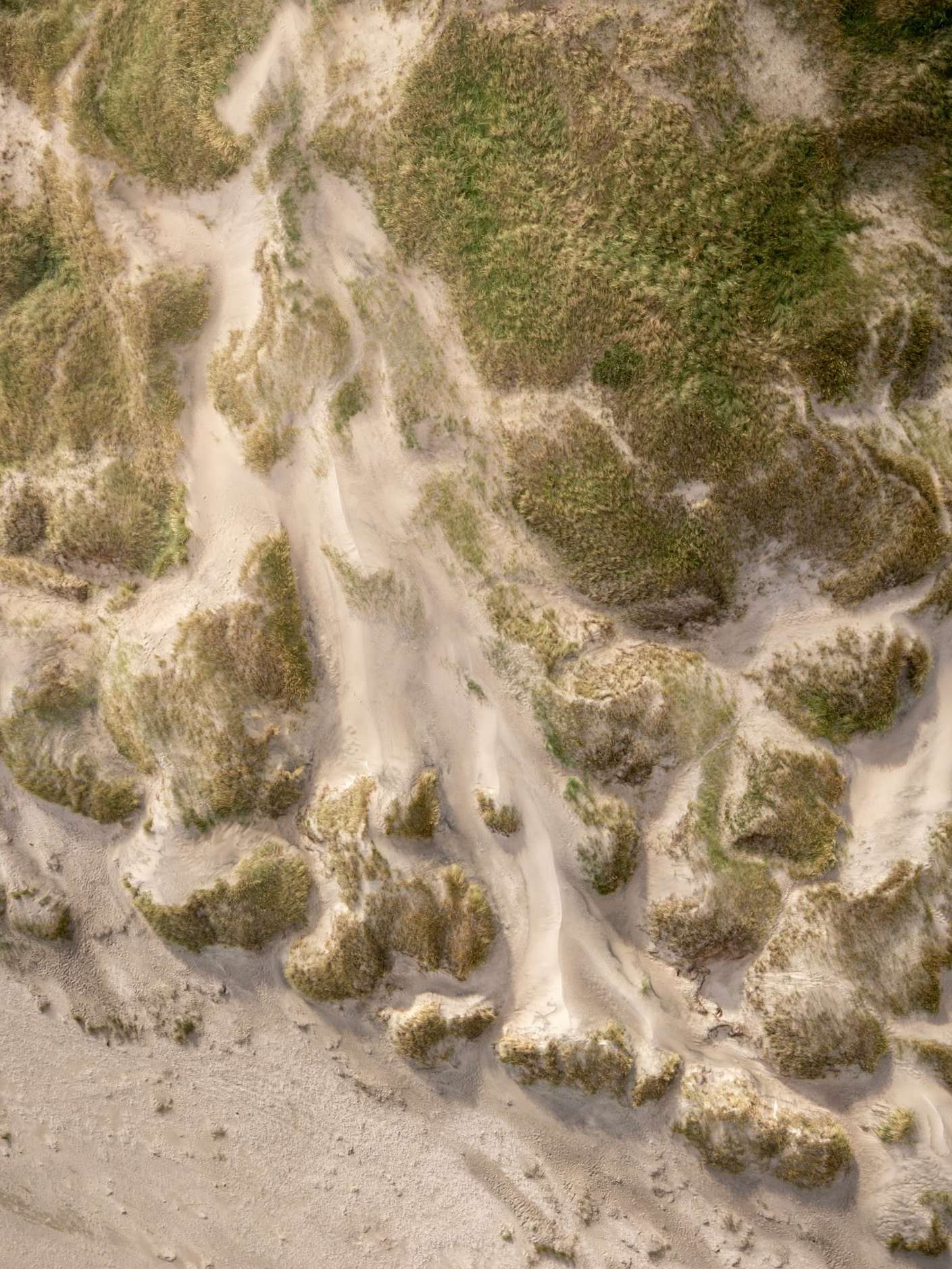
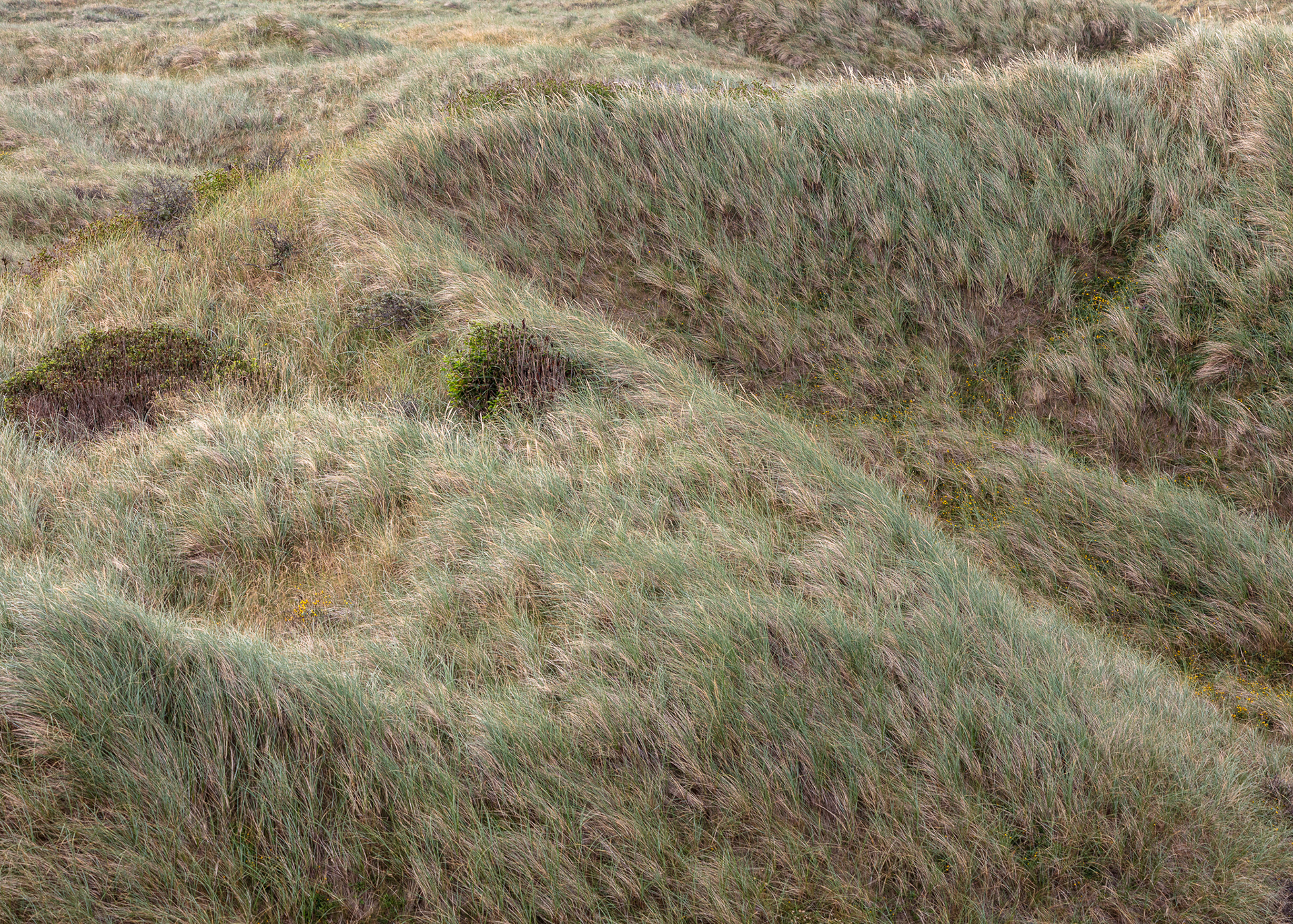
A closer view from within the dunes. Here the lens is not only about distance, but about isolating the feeling of being inside the landscape.
Being inside the landscape
A longer lens is often described as a lens for distance. But I also like how it can make me feel more present inside the landscape.
When I photograph a small path through the dunes or grass moving close to the frame, the image does not need to show exactly where I am. It can instead describe the feeling of being there.
That is important in my work.
I am not only trying to document a location. I am trying to understand why I stopped. What I noticed. What kind of silence the place had.
Sometimes a photograph works because it does not say everything.

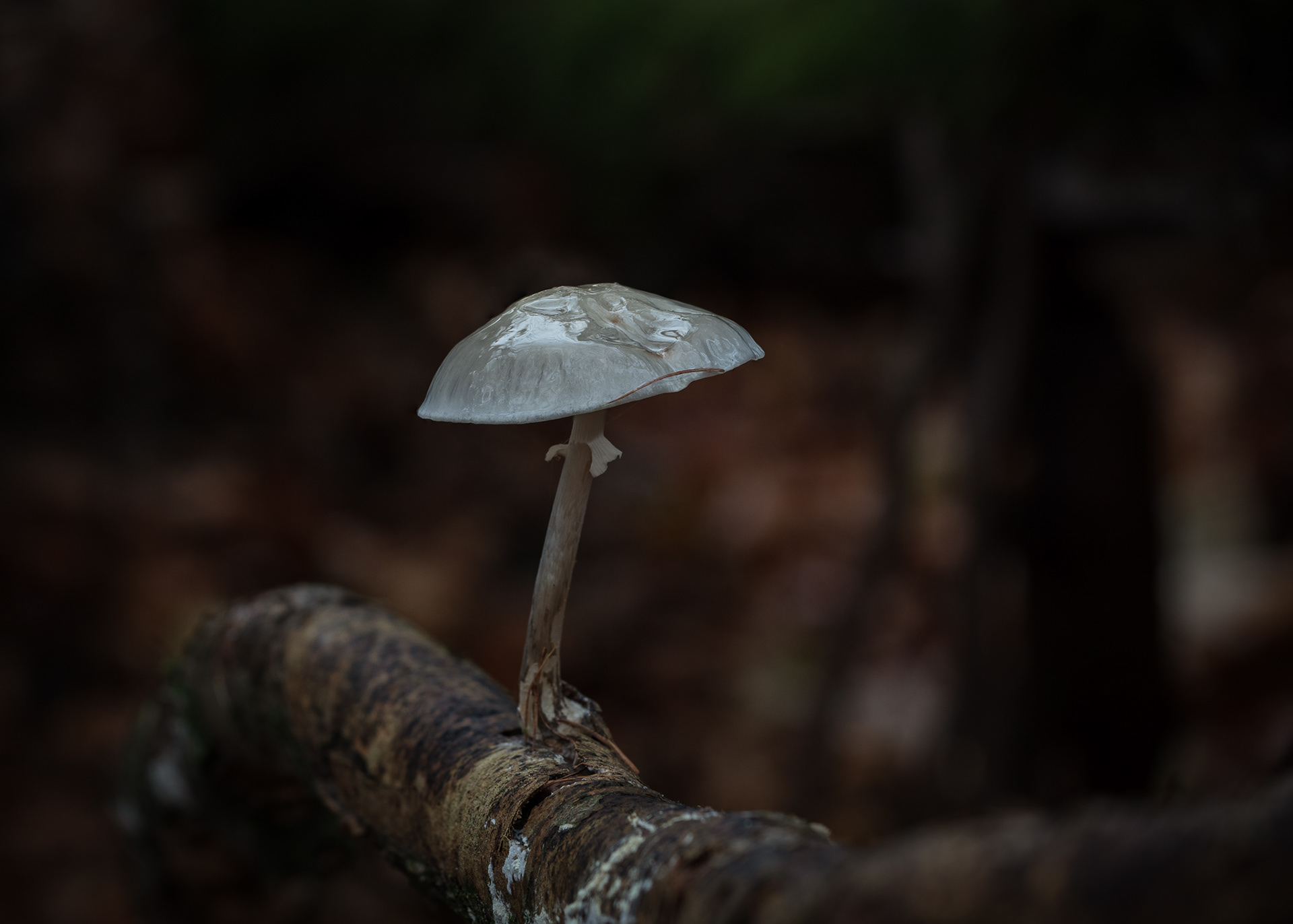
A small mushroom growing from a fallen branch. The 70-200mm range also works for quiet details, especially in visually complex places like forests.
Small discoveries in the forest
The same lens works in a very different way in the forest.
Forests can be visually chaotic. Branches, leaves, shadows and trunks everywhere. A 70-200mm lens helps me find order inside that chaos.
A mushroom on a fallen branch can become the whole image. Not because it is spectacular, but because it asks for attention.
That is one of the things I like most about this focal range. It works both in open landscapes and in small details. It can describe distance, but also intimacy.

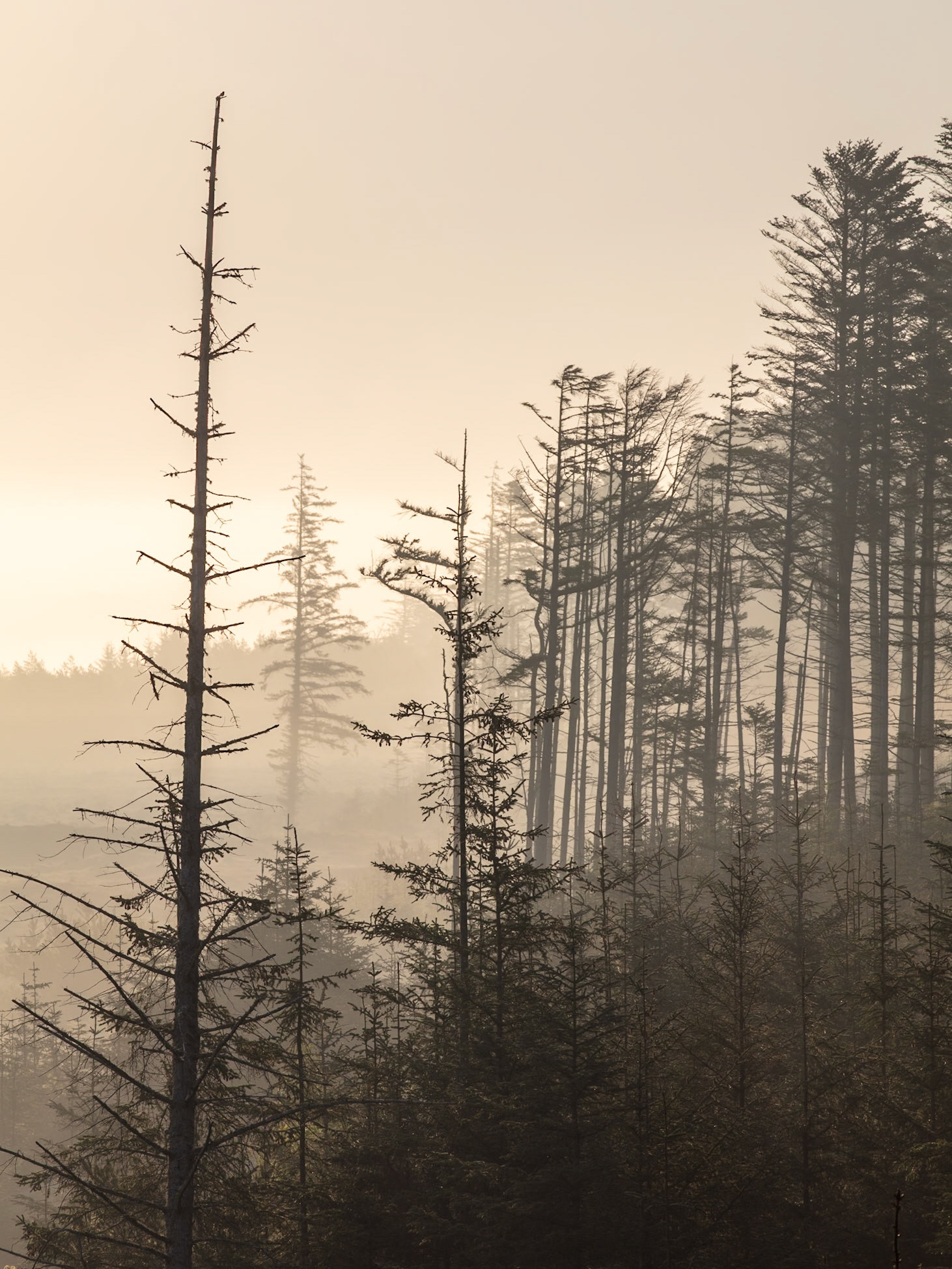
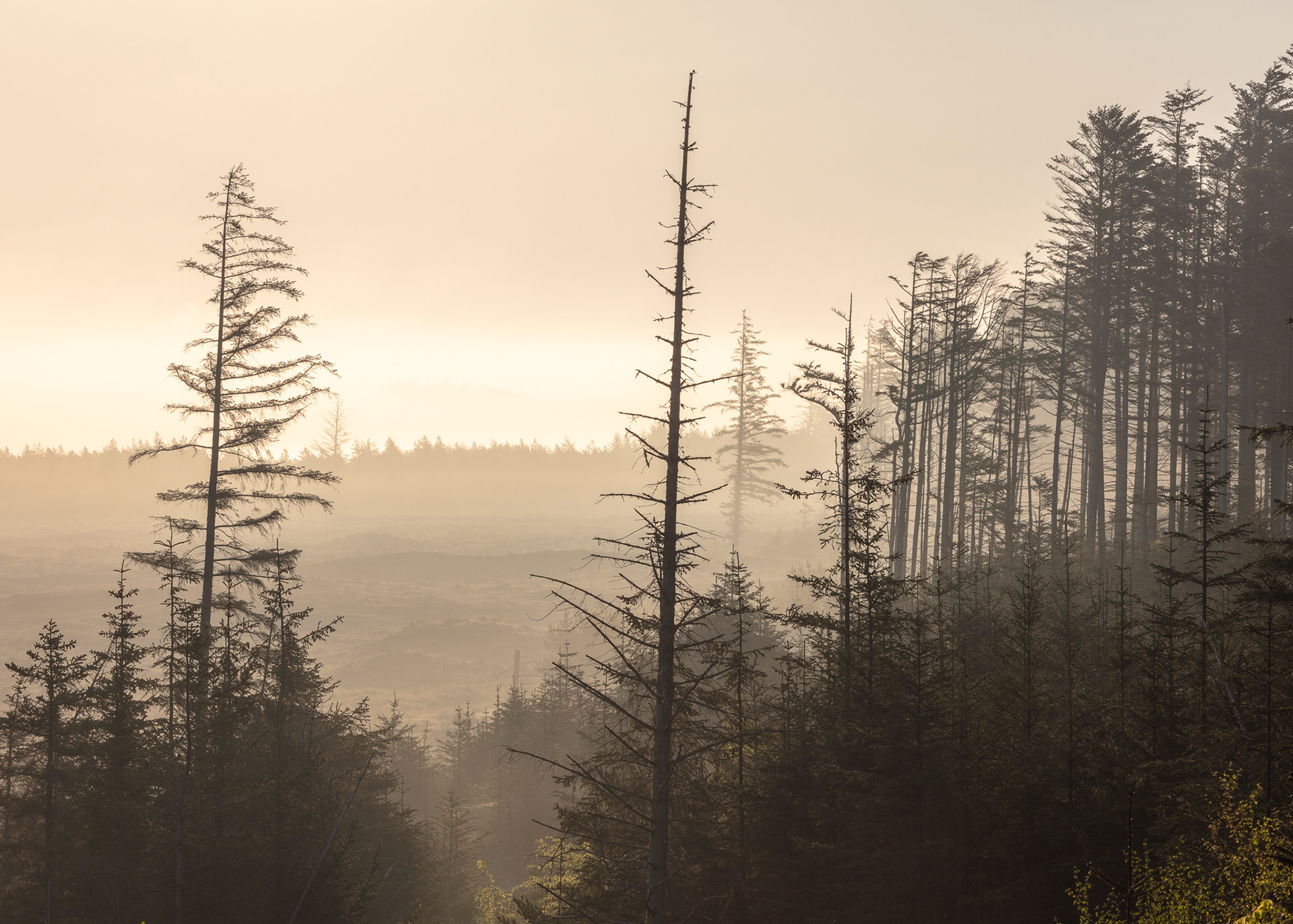
Trees and mist in soft light. With a longer focal length, the layers in the forest become more visible, and the atmosphere becomes the main subject.
Layers, atmosphere and distance
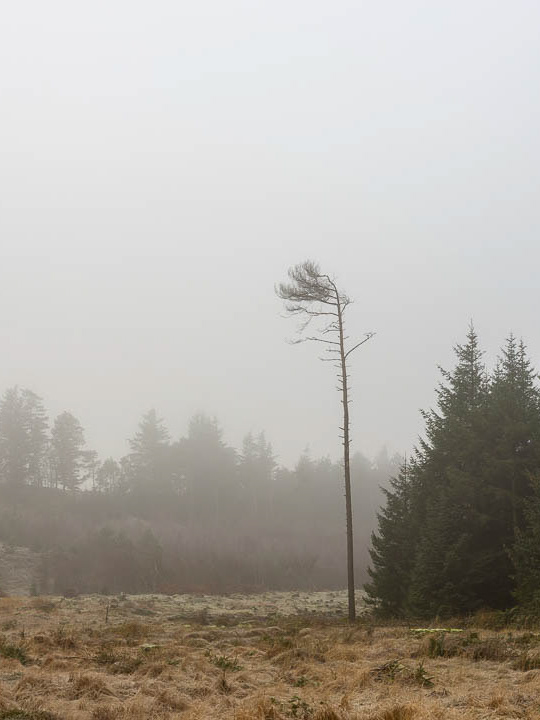
In mist, the 70-200mm range becomes especially useful.
Mist creates depth. Trees separate into layers. The background becomes softer. The image becomes less about one clear subject and more about atmosphere.
I like that kind of photograph. It is not loud. It does not try too hard. It simply holds a moment where the landscape feels slightly withdrawn.
For me, that is often the most interesting kind of nature photography. Not the most dramatic scene, but the one that feels honest.
EF or RF - the idea is the same
The images in this article were made with the Canon EF 70-200mm f/4. Today, Canon also makes RF versions of this focal range, and they are smaller and made directly for the mirrorless system.
But the reason I use this kind of lens has less to do with the version and more to do with the way it makes me work.
It slows me down. It makes me look across the landscape instead of trying to include the whole view. It helps me notice relationships between things: grass and sand, trees and mist, distance and detail, human marks and natural forms.
For the kind of images I want to make, that matters more than specifications.
Why I keep returning to this focal range
The Danish landscape often rewards patience more than spectacle.
A 70-200mm lens fits that way of seeing. It helps me photograph the quiet parts of nature - the soft layers, the small details, the open spaces and the subtle forms that are easy to overlook.
For me, it has become one of the most important focal ranges for landscape photography.
Not because it makes the landscape bigger.
But because it helps me see it more clearly.

You may also like

Back to Top